Email

How to Choose the Right Bit for Oil & Gas and Mining Operations

Choosing the right drill bit is one of the most important decisions in oil, gas, and mining drilling projects. The correct selection directly affects drilling speed, cost efficiency, tool life, and operational safety. In most cases, poor drill bit selection leads to low penetration rate, excessive wear, and unplanned downtime.

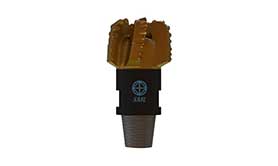
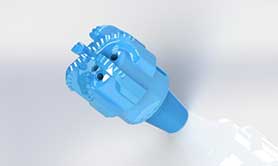
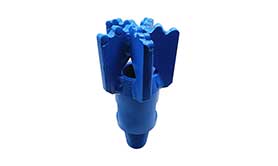
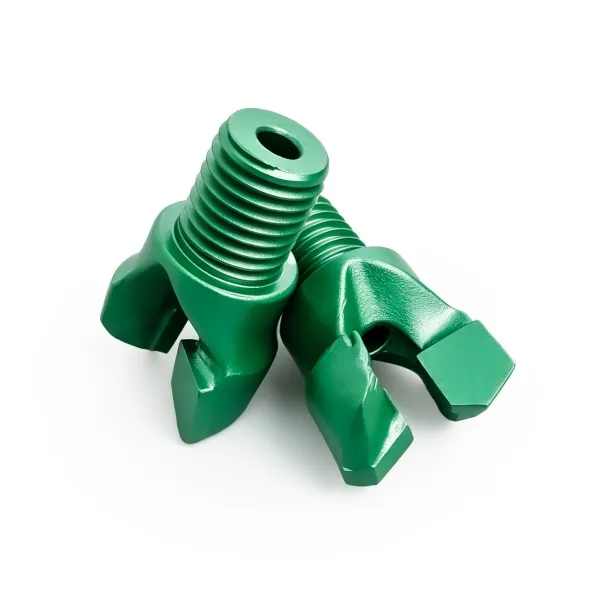
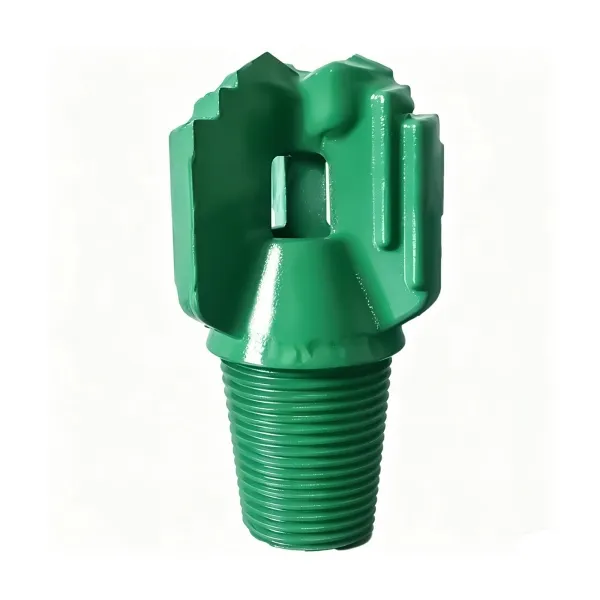
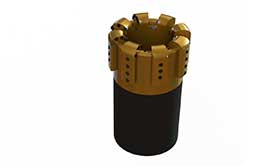
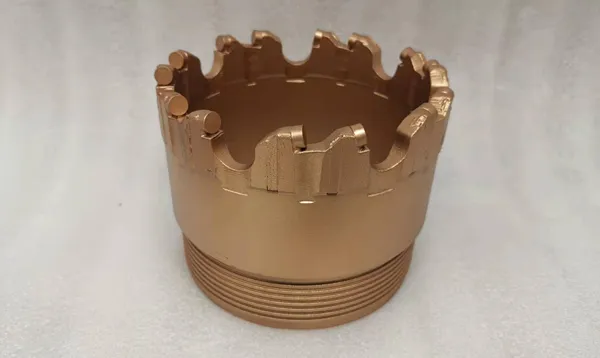
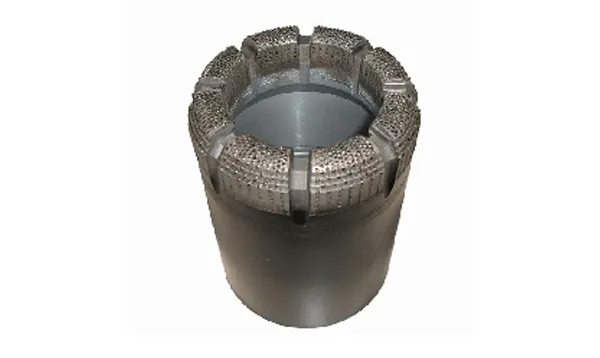
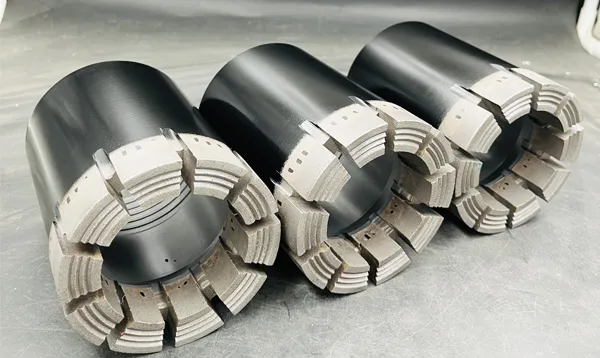
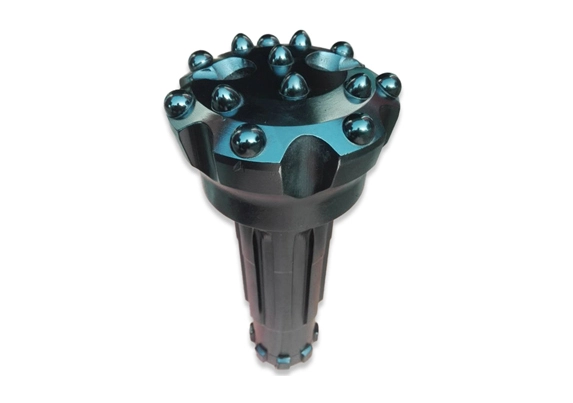
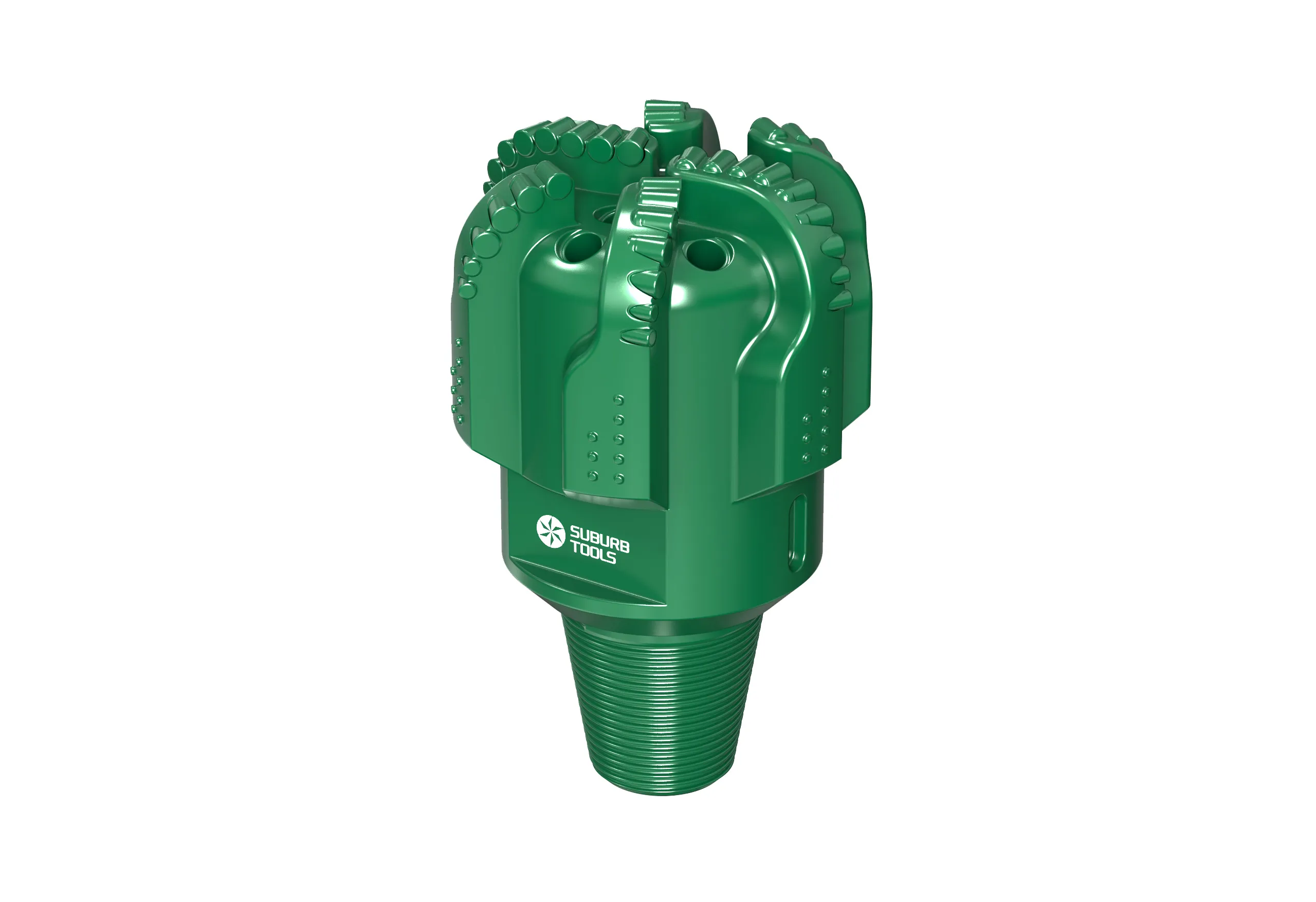
In modern drilling operations, the most commonly used tools include PDC drill bit, tricone bits, and mining drill bits designed for different formations. Among them, PDC bit design has become widely used in oil and gas drilling due to its high efficiency in suitable formations.

At KING SML, we focus on providing optimized drilling solutions for different geological conditions to help operators improve performance and reduce total drilling cost. 

Understanding Drill Bit Selection in Real Operations

Drill bit selection is not based on a single factor. It is a combination of formation type, drilling depth, hardness, abrasiveness, and hydraulic conditions.

A simple principle used in field operations is:

Formation condition determines bit structure, and bit structure determines drilling efficiency.

In oil and gas drilling, operators typically evaluate:

· Rock hardness and abrasiveness 

· Formation consistency (homogeneous or interbedded layers) 

· Expected drilling depth 

· Rig power and hydraulic capacity 

In mining operations, additional factors such as impact resistance and wear durability become more important due to highly abrasive rock structures.

A correct selection improves rate of penetration (ROP) and reduces tripping frequency, which directly lowers overall drilling cost. 

What Is PDC Bit Design and Why It Matters

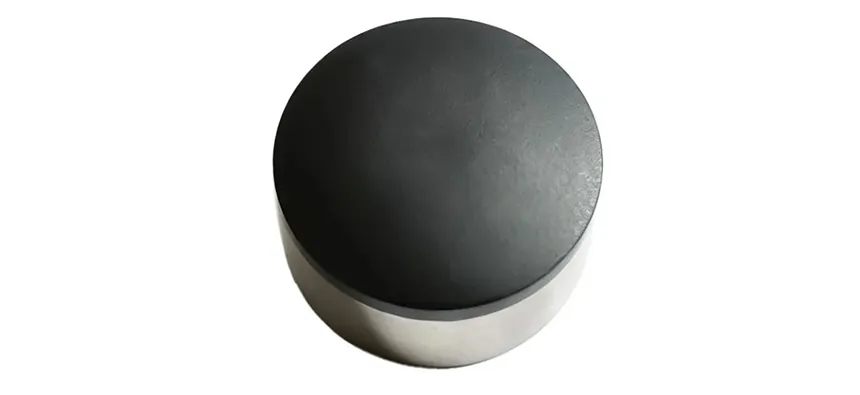
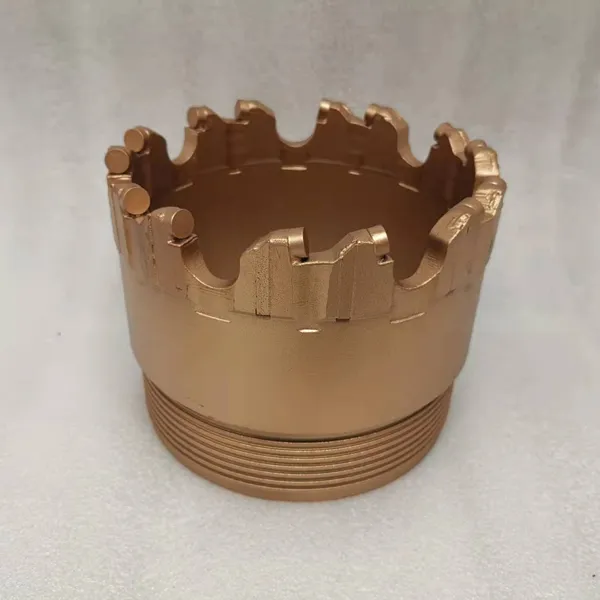
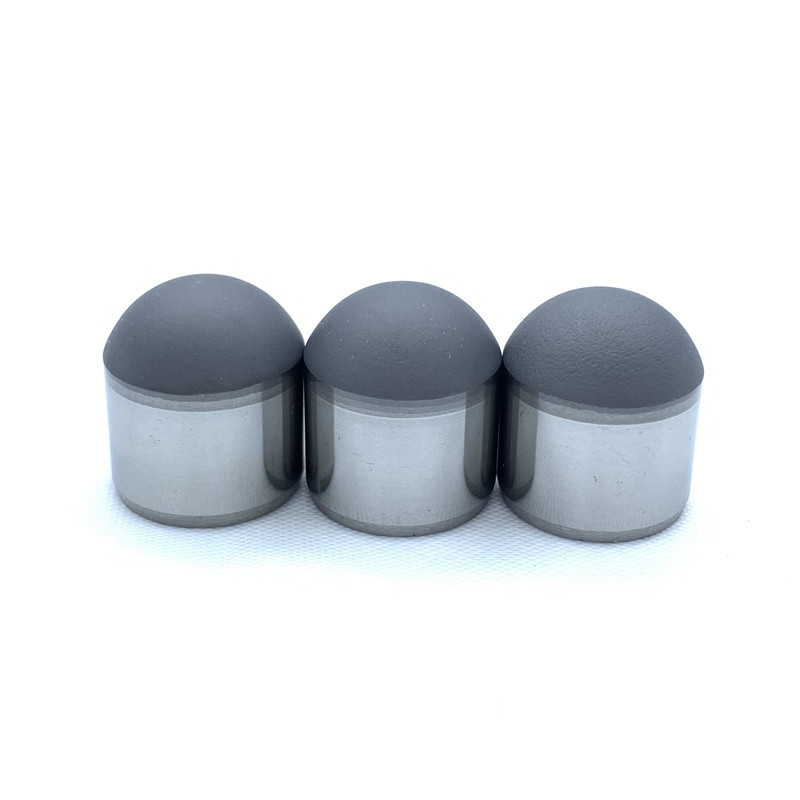
PDC bit design refers to how polycrystalline diamond compact cutters are arranged on the bit body, including cutter size, density, back rake angle, and hydraulic layout.

A well-designed PDC drill bit improves cutting efficiency by maintaining continuous shearing action instead of crushing the rock.

A key technical principle is:

PDC bits cut rock through shear failure rather than impact fracture.

This makes them highly effective in:

· Soft to medium-hard formations

· Shale, limestone, and sandstone 

· Stable oil and gas formations 

However, in highly abrasive or interbedded formations, improper PDC bit design can lead to cutter wear or vibration issues. 

How Formation Type Affects Drill Bit Selection

Formation type is the most critical factor in drill bit selection for both oil and gas and mining operations.

In general:

· Soft formations → High penetration rate, low torque requirement 

· Medium formations → Balanced wear resistance and cutting efficiency 

· Hard formations → High strength and impact resistance required 

· Abrasive formations → Strong wear resistance becomes essential 

In oil and gas drilling, drill bit oil and gas applications often require balancing speed and durability. PDC drill bits are preferred in stable formations, while tricone bits are still widely used in mixed or unpredictable layers.

In mining drilling, the priority often shifts toward durability due to repeated impact and abrasive rock conditions. 

Key Factors That Influence Drill Bit Performance

Selecting the right bit is not only about type, but also about operational parameters.

Important factors include:

· WOB (Weight on Bit) 

· RPM (Rotary Speed) 

· Hydraulic cleaning efficiency 

· Cutter exposure and wear rate 

· Formation stability during drilling 

Even a well-designed PDC drill bit can underperform if drilling parameters are not optimized. For example, insufficient hydraulic cleaning can cause bit balling, while excessive weight can accelerate cutter damage.

This is why drill bit selection must always consider both tool design and field conditions together. 

PDC Drill Bit vs Other Drill Bits in Real Use

In oil and gas drilling, PDC drill bit technology is often preferred because it provides:

· Higher penetration rate in suitable formations 

· Lower energy consumption 

· Longer drilling intervals between trips 

However, in hard or highly fractured formations, tricone bits or mining drill bits may still perform better due to their impact-based cutting mechanism.

The key is not choosing the “best bit”, but choosing the most suitable bit for the formation and drilling objective. 

Common Mistakes in Drill Bit Selection

In real drilling operations, several common mistakes often reduce efficiency:

One major mistake is using a PDC bit in formations that are too abrasive or unstable, leading to premature cutter wear.

Another issue is ignoring hydraulic requirements, which reduces cutting efficiency and causes bit clogging.

A third common problem is selecting a bit based only on price rather than performance requirements. In drilling, lower initial cost often leads to higher total operational cost. 

Practical Selection Guideline 

A simplified field logic used by many engineers is:

· If formation is stable and medium-soft → PDC drill bit is usually preferred 

· If formation is mixed or highly fractured → hybrid or tricone bit may perform better 

· If formation is highly abrasive → durability-focused mining drill bit design is required 

This logic helps operators quickly narrow down the selection before detailed engineering optimization. 

Conclusion

Selecting the right drill bit for oil, gas, and mining operations requires a clear understanding of formation characteristics, drilling parameters, and tool design principles.

PDC bit design plays a critical role in improving efficiency in suitable formations, while drill bit selection must always be based on real geological conditions rather than general assumptions.

A properly selected PDC drill bit or mining drill bit can significantly improve drilling performance, reduce downtime, and lower overall project cost.

At KING SML, we continue to focus on delivering reliable drilling solutions for oil and gas and mining applications, helping operators achieve more stable and efficient drilling performance in different formations. 

FAQ

What is the main factor in drill bit selection?

Formation type is the most important factor, followed by depth, hardness, and drilling conditions.


Why is PDC drill bit widely used in oil and gas drilling?

Because it provides high penetration rates in stable formations and reduces drilling time.


When should PDC drill bits not be used?

They are not ideal for highly abrasive, fractured, or unstable formations.


What is the difference between mining drill bit and oil and gas bit?

Mining drill bits are designed for higher wear resistance and impact conditions, while oil and gas bits focus more on efficiency and penetration rate.

Can one drill bit work for all formations?

No, different formations require different bit designs for optimal performance. 

We use cookies to offer you a better browsing experience, analyze site traffic and personalize content. Part of the tracking is necessary to ensure SEO effectiveness,
By using this site, you agree to our use of cookies. Visit our cookie policy to learn more.
Reject Accept