Email

A Complete Guide to Drill Bit Materials: Types, Differences, and How to Choose the Best Rock Drilling Bit

Quick Answer: What Is the Best Drill Bit Material?

The best drill bit material depends on formation hardness and drilling conditions:

· pdc cutter: best for fast drilling in soft to medium formations due to its shearing action

· tci bit: ideal for hard and abrasive rock thanks to its crushing strength

· steel tooth bit: most cost-effective for soft formations with low drilling complexity


Choosing the right rock drilling bit material can improve drilling efficiency by 30–100% and significantly reduce total cost per meter.

The three main types of drill bit material—pdc cutter, tci bit, and steel tooth bit—are designed for different formations. PDC is best for speed, TCI for durability, and steel tooth for low-cost drilling.

To choose the right option, it is important to understand how each drill bit material performs under different drilling conditions.

Why Drill Bit Material Matters

Selecting the correct drill bit material for a rock drilling bit directly affects drilling performance, durability, and cost.

It determines:

· Rate of penetration (ROP)

· Bit lifespan

· Drilling stability

· Total cost efficiency

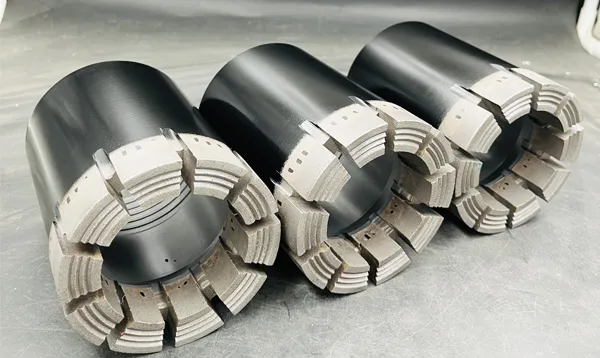
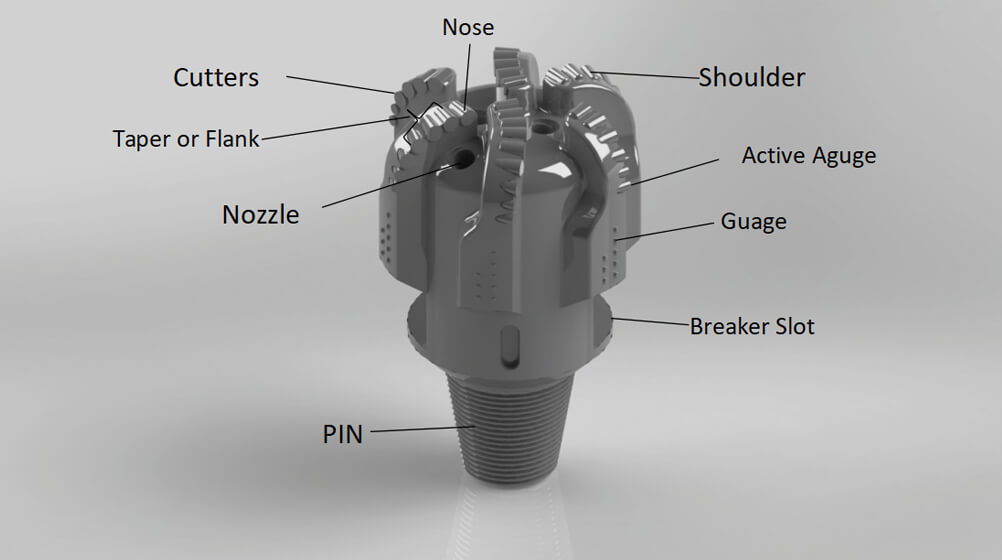
Modern drilling mainly uses three types: pdc cutter, tci bit, and steel tooth bit, each designed for different formations and cutting mechanisms.

PDC Cutter: High Speed in Stable Formations

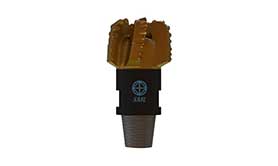
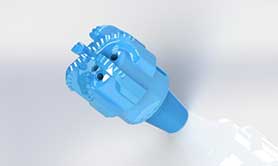
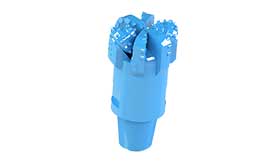
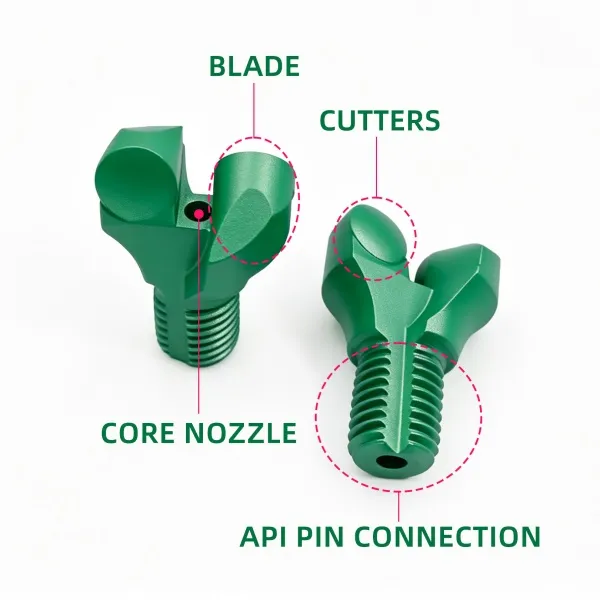
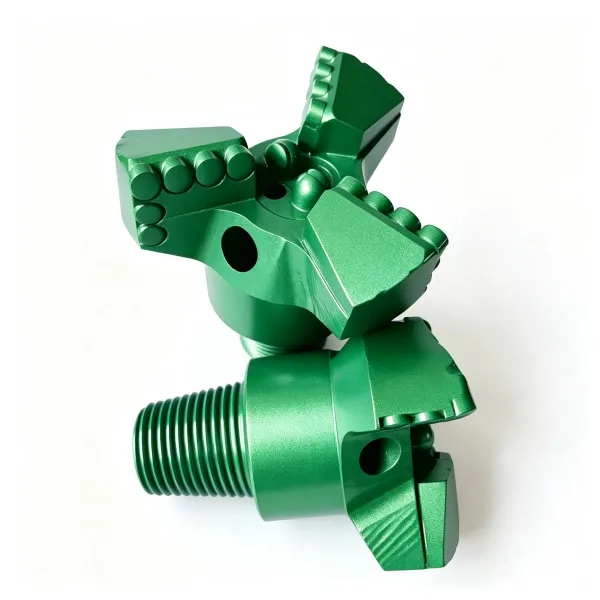
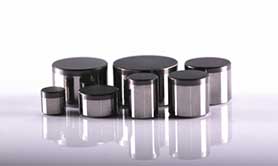
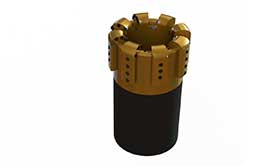
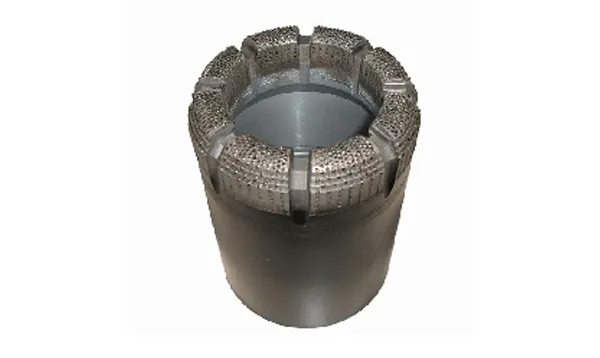
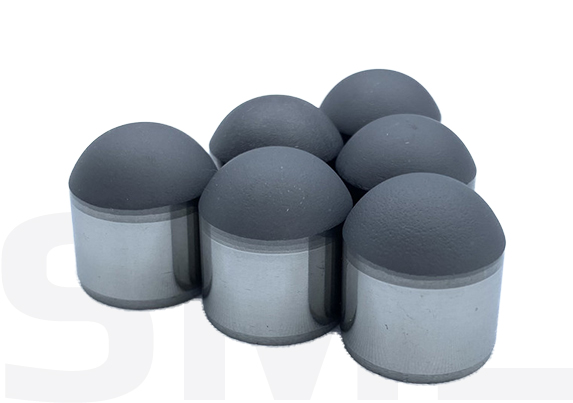
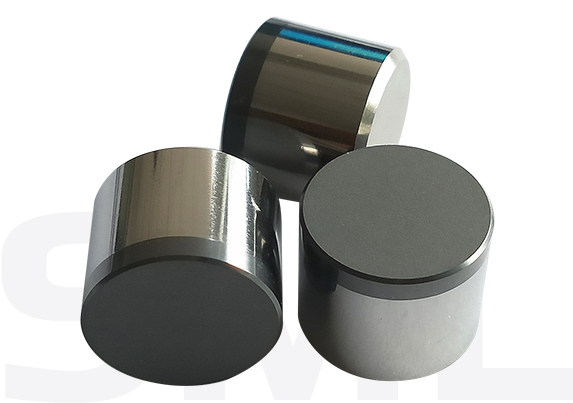
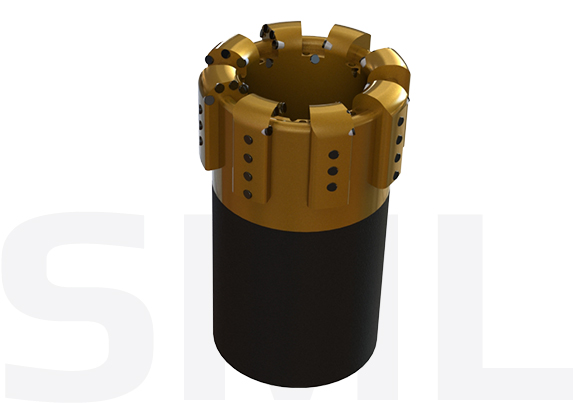
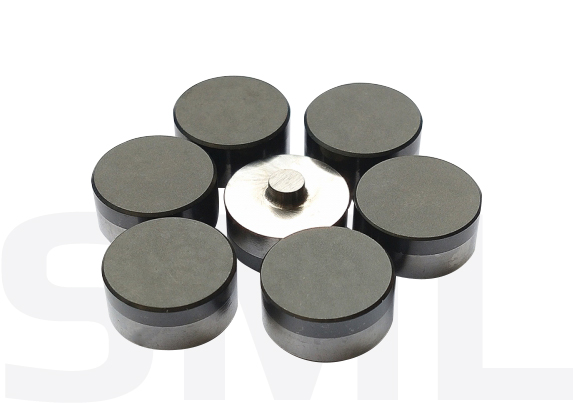
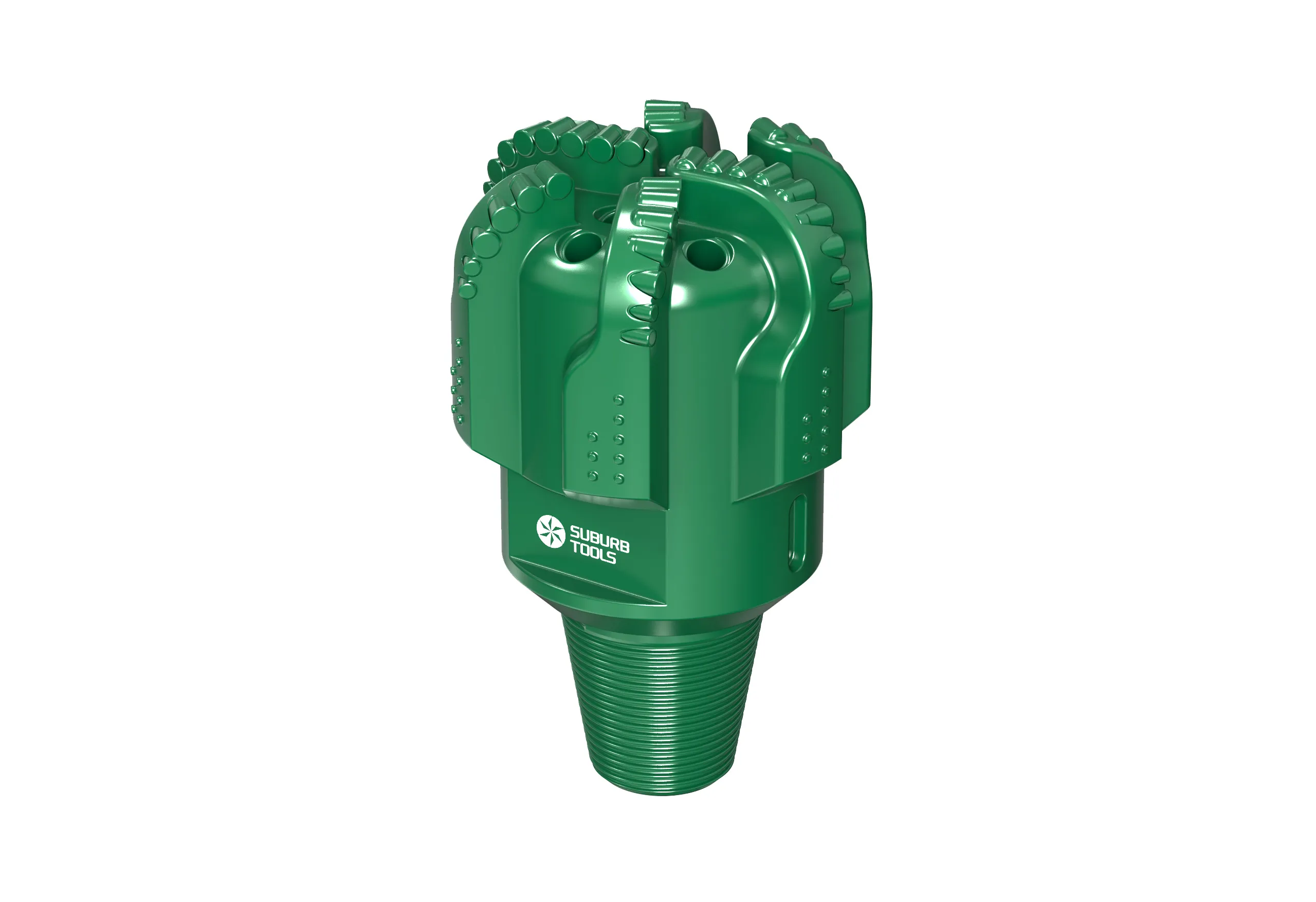
A pdc cutter is made by bonding synthetic diamond to tungsten carbide, creating an extremely hard and wear-resistant cutting structure.

Advantages:

· Very high drilling speed (shearing action)

· Long lifespan and fewer bit trips

· Lower cost per meter in stable formations


Best for:

· Soft to medium formations

· Shale, sandstone, limestone

· Oil, gas, geothermal, and water wells


Limitation:

· Less effective in highly abrasive or fractured formations

In practice, PDC bits perform best when formation conditions are stable and predictable.

TCI Bit: Durability in Hard Rock

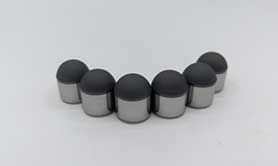
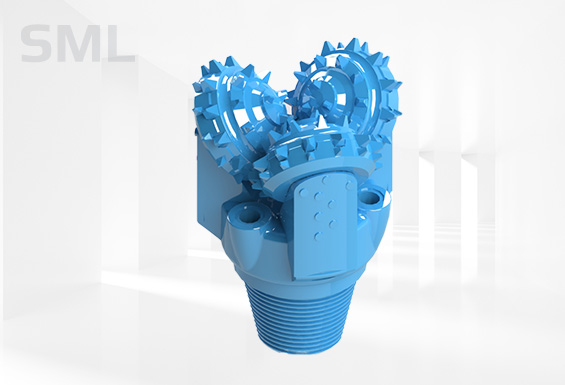
A tci bit is a tricone rock drilling bit using tungsten carbide inserts to crush rock.

Advantages:

· High durability and impact resistance

· Reliable in abrasive formations

· Stable in complex geology

Best for:

· Hard rock (granite, basalt)

· Mining and construction

· Complex or unpredictable formations

Limitation:

· Slower drilling speed compared to PDC bits

In real drilling, TCI bits are often chosen when formation uncertainty is high.

Steel Tooth Bit: Low Cost for Soft Formations

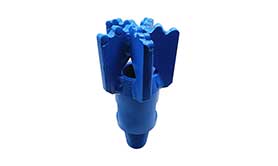
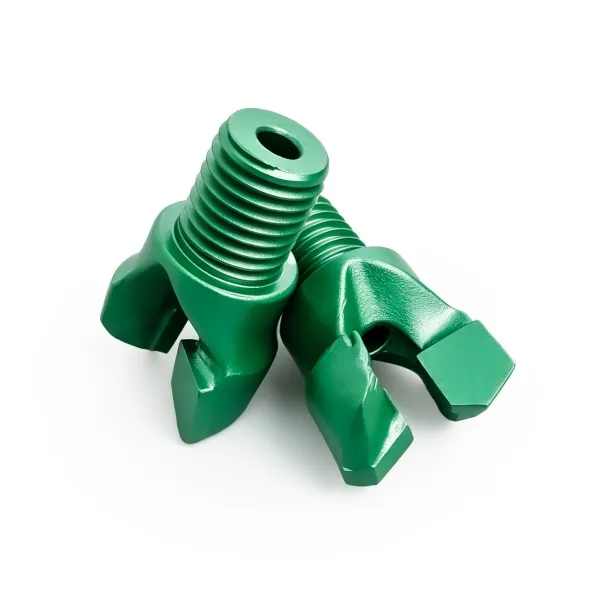
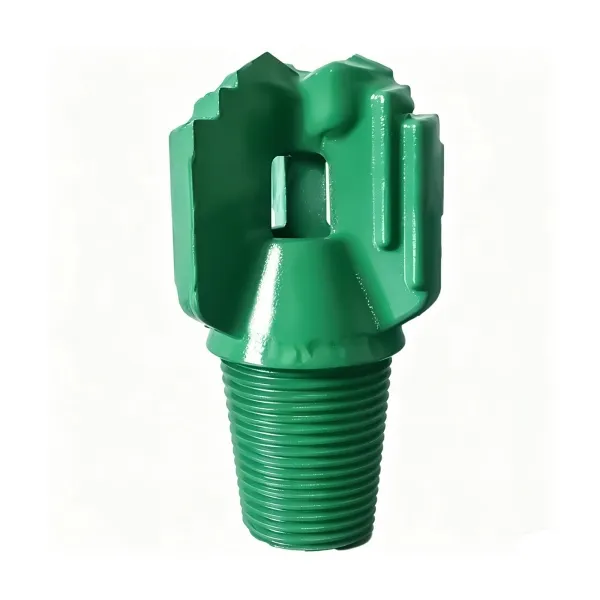
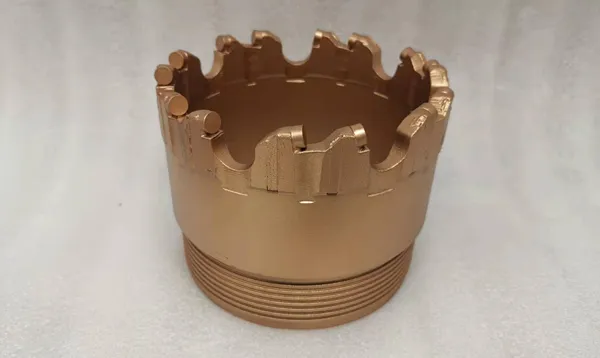
A steel tooth bit uses hardened steel teeth to gouge and scrape rock.

Advantages:

· Low initial cost

· Fast drilling in soft formations

· Simple and reliable structure


Best for:

· Soft formations (clay, sand)

· Shallow wells

· Budget-sensitive projects


Limitation:

· Shorter lifespan in hard or abrasive formations

For low-cost operations in soft geology, steel tooth bits remain effective.

PDC vs TCI vs Steel Tooth: Key Differences

Here is a quick comparison of the three main drill bit materials:

· pdc cutter is best for fast drilling in soft to medium and stable formations

· tci bit is best for hard, abrasive, and complex formations

· steel tooth bit is best for low-cost drilling in soft formations

The right rock drilling bit depends on formation hardness, abrasiveness, and drilling budget.

How to Choose the Right Drill Bit Material

To select the best drill bit material for your rock drilling bit, consider:

1. Formation Hardness

· Soft → steel tooth bit

· Medium → pdc cutter

· Hard → tci bit

2. Abrasiveness

Highly abrasive formations require durable materials such as TCI or reinforced PDC designs.

3. Cost vs Performance

· pdc cutter: higher upfront cost, lowest long-term cost

· tci bit: balanced durability and cost

· steel tooth bit: lowest upfront cost

4. Formation Stability

· Stable → pdc cutter

· Fractured → tci bit

Why Material Selection Impacts Cost

Choosing the right rock drilling bit material can:

· Increase ROP by 30–100%

· Reduce downtime

· Extend bit life

· Lower cost per meter

This is why experienced operators focus on drill bit material selection, not just initial price.

Conclusion

There is no single best drill bit material for every rock drilling bit application.

· Choose pdc cutter for speed and efficiency

· Choose tci bit for durability in hard rock

· Choose steel tooth bit for economical soft drilling

At KING SML, we provide high-performance rock drilling bit solutions tailored to real drilling conditions. Our team can recommend the most suitable drill bit material based on your formation, drilling depth, and project requirements.

FAQ

What is drill bit material?

Drill bit material refers to the cutting structure used in a rock drilling bit, including pdc cutter, tci bit, and steel tooth bit.


What are the types of drill bit materials?

The main types are pdc cutter, tci bit, and steel tooth bit, each designed for different formations.


What is the difference between PDC and TCI bits?

PDC cutter shears rock for faster drilling, while TCI bit crushes rock and performs better in hard formations.


Which rock drilling bit is most cost-effective?

PDC is most cost-effective in stable formations, while TCI performs better in hard rock conditions.


Which drill bit material is best for hard rock?

A tci bit is typically the best drill bit material for hard rock due to its high impact resistance and durability in abrasive formations.  

We use cookies to offer you a better browsing experience, analyze site traffic and personalize content. Part of the tracking is necessary to ensure SEO effectiveness,
By using this site, you agree to our use of cookies. Visit our cookie policy to learn more.
Reject Accept