Email

PDC Core Bit Selection Guide for Geological Exploration, Mining and Water Well Drilling

Selecting the right PDC core bit depends primarily on formation hardness, abrasiveness, rock competency, required core quality, drilling depth, and available rig parameters. PDC core bits are particularly effective in soft to medium-hard, relatively competent formations where efficient shearing can provide high penetration rates and long cutter life. In very hard, highly abrasive, or severely fractured formations, an impregnated diamond or other specialized core bit may offer better overall performance.


For professional selection, do not choose a bit based only on rock hardness. Cutter geometry, crown design, waterways, core diameter, drilling fluid circulation, WOB, RPM, and the condition of the formation should be evaluated together.


How PDC Core Bits Work in Rock Coring Applications

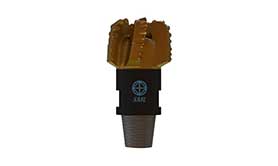
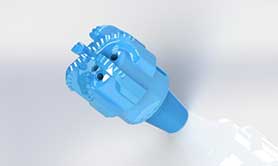
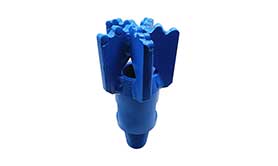
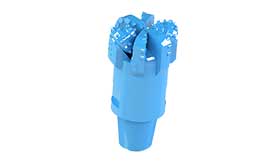
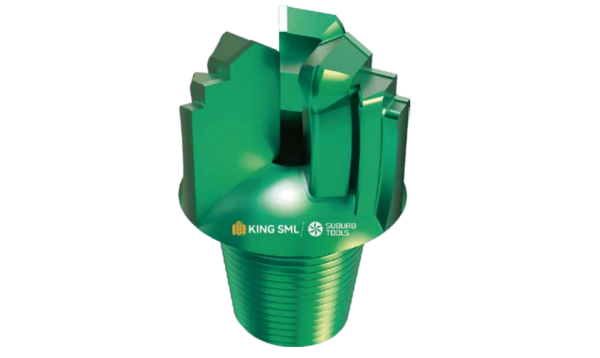
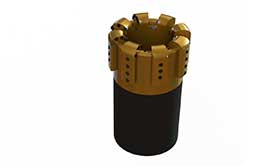
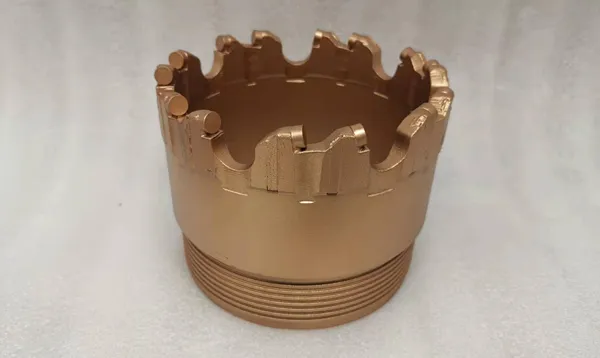
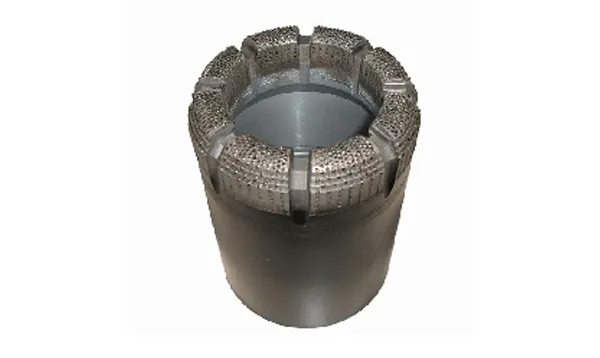
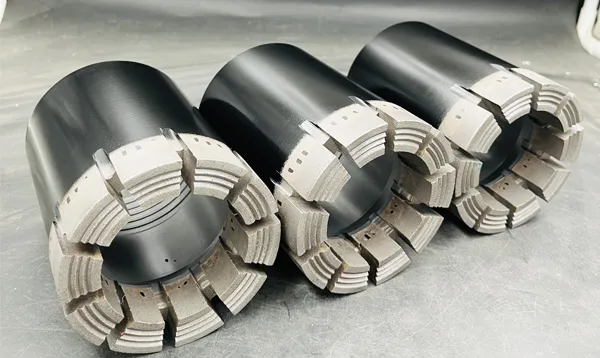
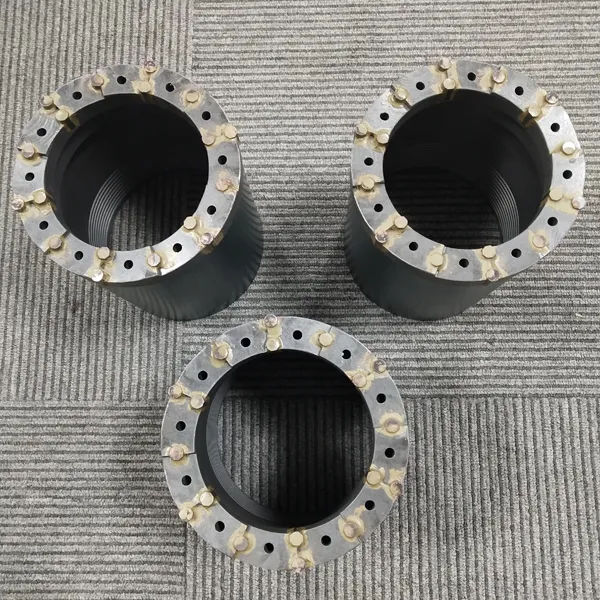
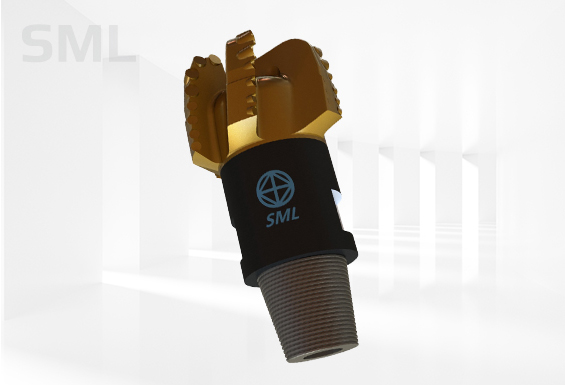
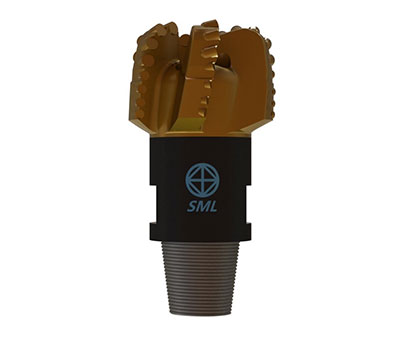
A PDC core bit uses polycrystalline diamond compact cutters positioned around an annular cutting face. Instead of removing the entire bottom of the hole, the bit cuts around a central rock column so that a cylindrical core can enter the core barrel for recovery.


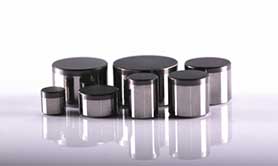
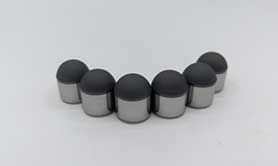
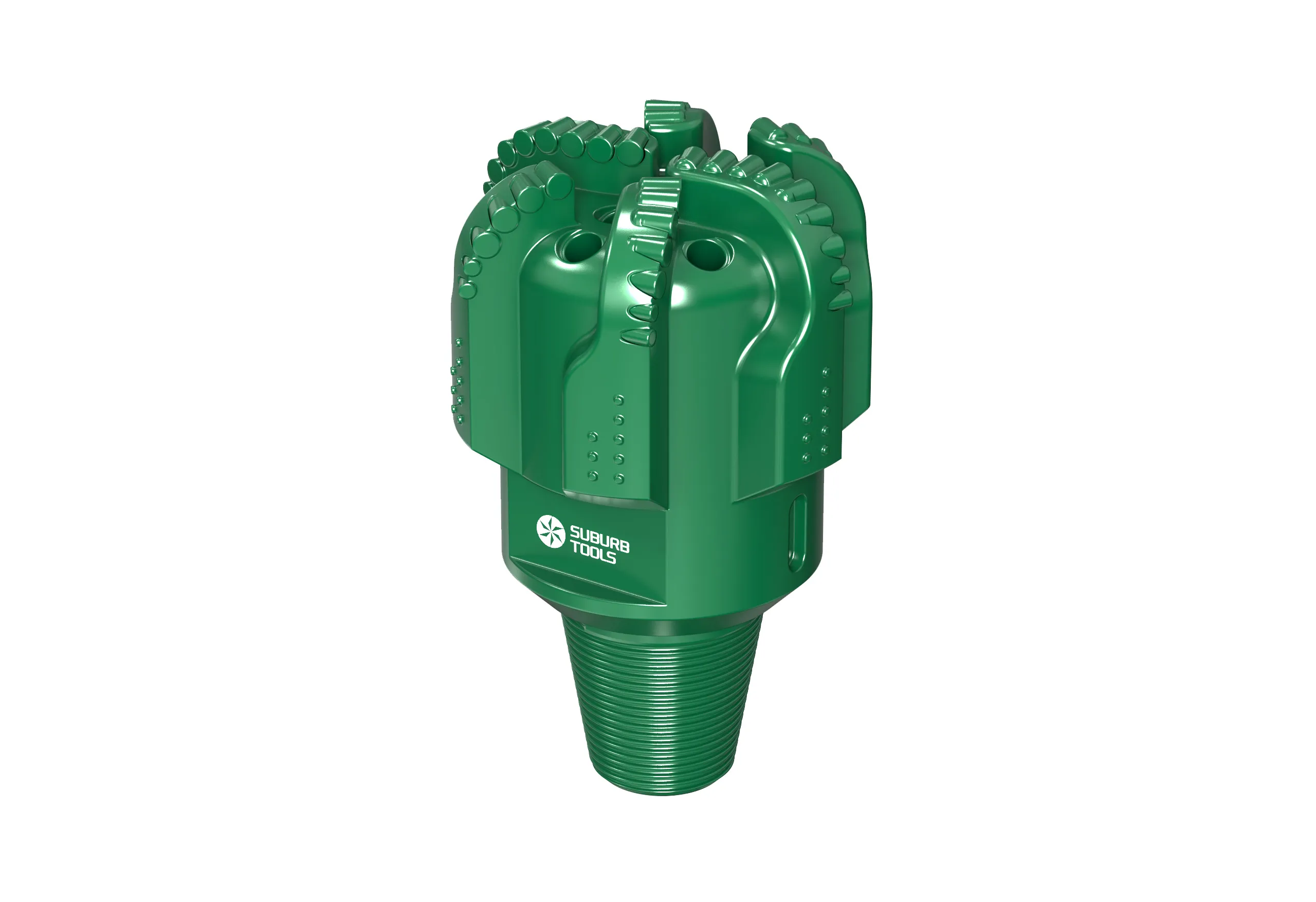
PDC cutters remove rock mainly through a shearing action rather than the crushing action associated with roller-cone teeth. A PDC cutter consists of a synthetic polycrystalline diamond layer bonded to a tungsten-carbide substrate, combining a wear-resistant cutting surface with structural support.


For coring applications, several design variables directly affect performance:

  • Cutter size and quantity: influence aggressiveness, cutter loading, and durability.

  • Cutter exposure and rake angle: affect penetration and resistance to impact damage.

  • Crown profile: controls contact with the formation and stability during coring.

  • Waterway design: determines how effectively cuttings and heat are removed.

  • Gauge protection: helps maintain hole diameter during extended drilling.

  • Core opening: must match the required core sample and core-barrel system.


PDC core bits can be especially productive on rigs capable of supplying sufficient torque and controlled weight at relatively moderate rotational speeds.


PDC Core Bits for Geological Exploration and Mineral Sampling

Are PDC core bits suitable for geological exploration?

Yes, when the geology matches the cutting characteristics of PDC.


In geological and mineral exploration, core quality is important because recovered samples may be used to evaluate lithology, mineralogy, structure, grade, and other subsurface characteristics. Drill cores are routinely used for geological and mineral analysis, making reliable sample recovery a major consideration rather than focusing exclusively on penetration rate.


A PDC core bit is particularly attractive when drilling relatively uniform formations such as certain:

  • Shales

  • Coal formations

  • Claystone and mudstone

  • Limestone

  • Sandstone with manageable abrasiveness

  • Soft to medium-hard sedimentary formations


SML's PDC core-bit range is designed for applications including geological exploration, coal mining, water-related projects, and engineering construction.


For mineral sampling, however, penetration rate should not be allowed to compromise core recovery. Highly fractured ground may require changes to the bit, core barrel, drilling parameters, or flushing system to reduce mechanical disturbance of the sample.


What should you prioritize when core quality matters?

Pay particular attention to bit stability and flushing. Excessive WOB, vibration, or an overly aggressive cutting structure can increase core breakage. At the same time, insufficient fluid flow can allow cuttings to accumulate around the crown, increasing heat and wear.


The best operating window is therefore one that provides consistent penetration while keeping the crown clean and minimizing unnecessary mechanical damage to the core.


Choosing PDC Core Bits for Mining, Water Wells and Construction

The same PDC design should not automatically be specified for every coring application.


Mining exploration

Mining projects normally place strong emphasis on penetration cost, core recovery, bit life, and minimizing trips in deep holes. In competent soft-to-medium formations, a PDC design can provide efficient continuous cutting and reduce the frequency of bit replacement.


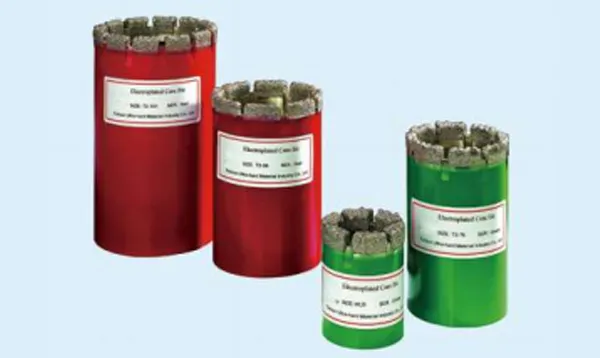
For abrasive ore bodies or hard crystalline formations, however, compare the expected PDC cutter wear against alternative diamond coring systems. Specialized diamond core bits are available specifically for hard and highly abrasive ground.


Water well drilling

A PDC core bit may be selected during water well projects when geological sampling or formation identification is required before or during well construction.


The main considerations are:

  • Formation type and changes with depth

  • Required core diameter

  • Hole depth

  • Available torque and rotary speed

  • Mud or water circulation

  • Expected abrasive content


Waterway configuration deserves particular attention because effective fluid circulation cools the cutting structure and removes generated solids from the bit face.


Construction and geotechnical drilling

For bridges, foundations, dams, tunnels, and other engineering projects, coring is often used to evaluate subsurface rock conditions. SML lists construction and engineering applications among the operating areas for its core-bit products.


In these projects, accurate core recovery may be more important than maximum ROP. Select the crown geometry and cutting structure to provide controlled penetration and stable operation, particularly where bedding, joints, or fractured zones are expected.


How Formation Hardness Affects PDC Core Bit Selection

What formations are best for a PDC core bit?

PDC generally performs best when the cutters can continuously shear the formation without excessive impact or rapid abrasive wear.

Formation ConditionPDC Core Bit SuitabilityMain Selection Concern
Soft, competent rockExcellentAvoid excessive aggressiveness
Medium-hard, uniform rockVery goodBalance cutter exposure and durability
Abrasive sandstoneApplication-dependentCutter and body wear
Interbedded formationApplication-dependentImpact and vibration
Fractured rockRequires careful selectionCore recovery and cutter impact
Very hard abrasive rockOften consider alternativesLow penetration and rapid wear


Hardness alone is not sufficient. Epiroc notes that core-bit selection also depends on characteristics such as abrasiveness, competency, and variability of the ground.


For example, a medium-hard but highly abrasive sandstone may damage a cutting structure faster than a harder but less abrasive and more uniform formation.


Similarly, fractured rock can create intermittent cutter loading. If the cutters repeatedly move from unsupported voids into hard rock, impact damage may become the limiting factor even when the average rock hardness appears suitable.


When should you consider an impregnated diamond core bit instead?

If the formation becomes very hard and highly abrasive, an impregnated diamond design may provide better drilling economics. Diamond core-bit systems are available specifically for hard-to-extremely-hard abrasive formations where maintaining a continuously renewed cutting surface is important.


The correct comparison should therefore be based on cost per meter and usable core recovered, not simply the initial price of the bit.


FAQs About PDC Core Bits

What is a PDC core bit used for?

A PDC core bit cuts an annular section of rock while leaving a cylindrical core for recovery. Typical applications include geological exploration, mineral exploration, mining, water well investigation, and engineering or construction drilling.


How is a PDC core bit different from a normal PDC drill bit?

A conventional PDC drill bit is normally designed to drill the complete borehole face. A core bit has a central opening that allows the rock core to enter the barrel instead of destroying the entire formation being drilled.


Can PDC core bits drill hard rock?

They can drill some hard formations, but performance depends strongly on abrasiveness, competency, cutter design, and operating conditions. Very hard, abrasive formations may be better suited to specially selected diamond core bits rather than conventional PDC cutting structures.


What causes premature PDC core bit wear?

Common causes include excessive WOB, inadequate flushing, abrasive formations, vibration, impact from fractured ground, overheating, and operating outside the recommended RPM range.


How do I select the correct PDC core bit size and design?

Before ordering, provide the supplier with:

  • Rock type and estimated hardness

  • Formation abrasiveness and degree of fracturing

  • Hole and required core diameter

  • Drilling depth

  • Core-barrel and thread connection

  • Rig torque and RPM range

  • Available WOB

  • Drilling fluid and flow rate

  • Previous bit performance, if available


This information allows the cutter layout, crown profile, waterways, gauge protection, and connection to be matched more closely to the actual drilling conditions.


For geological exploration, mining, water well, or construction projects, SML TOOLS can supply and customize PDC core bit designs according to formation conditions and drilling equipment. Providing detailed geological and rig information at the inquiry stage helps achieve a more accurate bit recommendation and better cost-per-meter performance.

We use cookies to offer you a better browsing experience, analyze site traffic and personalize content. Part of the tracking is necessary to ensure SEO effectiveness,
By using this site, you agree to our use of cookies. Visit our cookie policy to learn more.
Reject Accept