In construction, drilling bits are essential tools used for various applications, including foundation work, anchoring, and utility installation. The choice of drilling bit depends on the materials being drilled and the specific requirements of the project. Here’s an overview of the types of drilling bits commonly used in construction and their applications.
Types of Drilling Bits
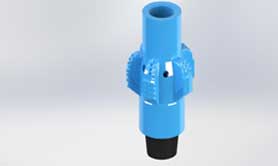
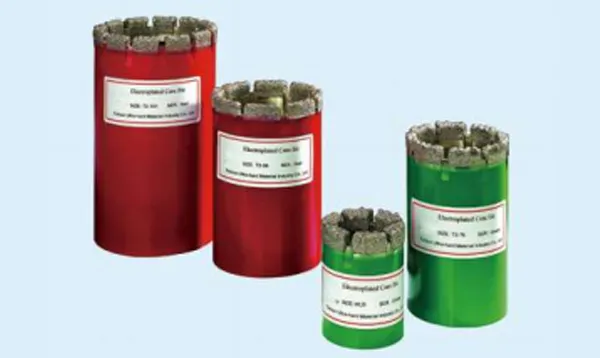
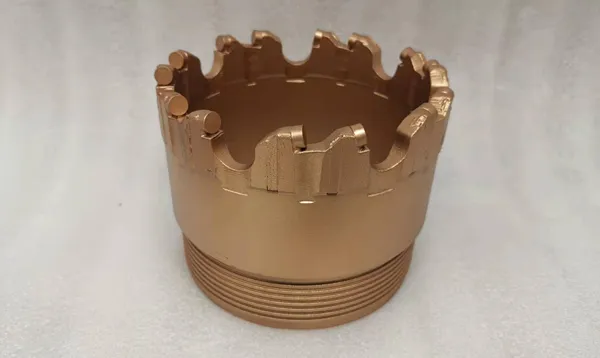
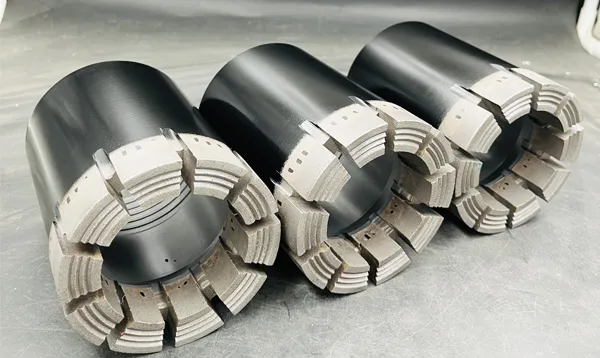
1. Core Bits
Description: Hollow bits that remove a cylindrical core from the material, leaving a clean hole.
Applications: Used for creating holes in concrete, asphalt, and stone, often for plumbing and electrical installations.
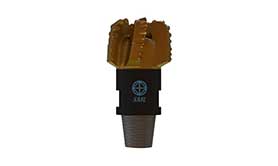
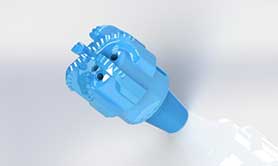
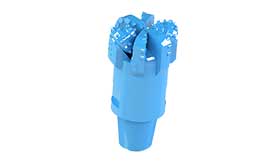
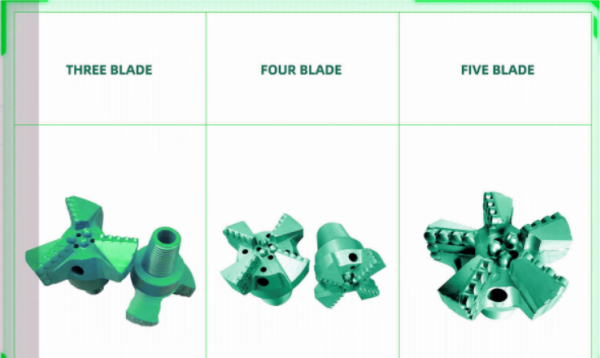
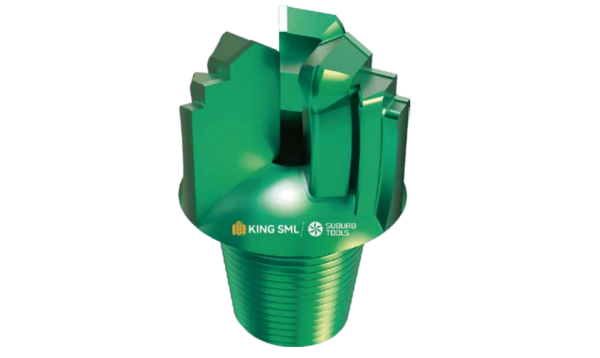
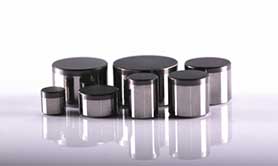
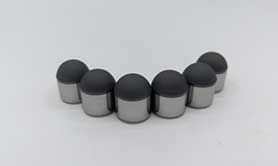
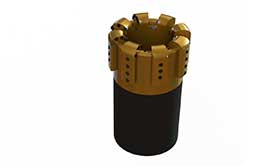
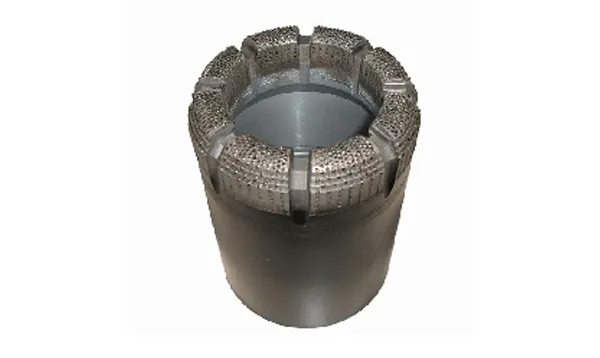
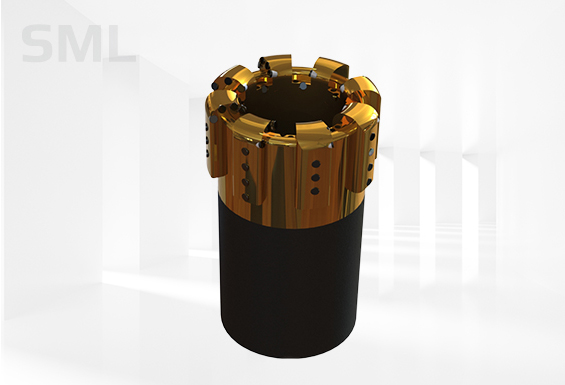
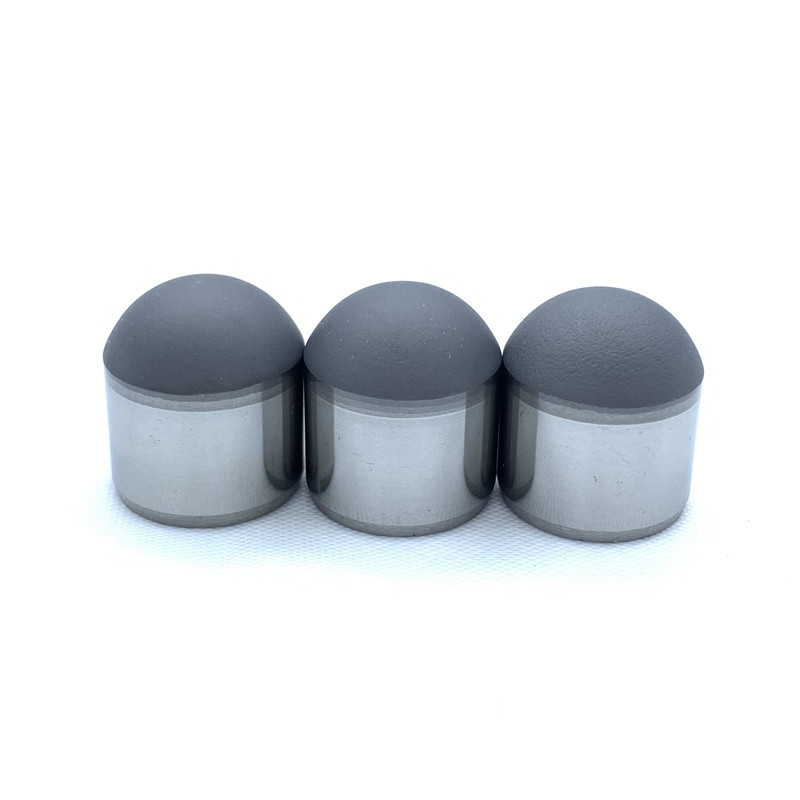
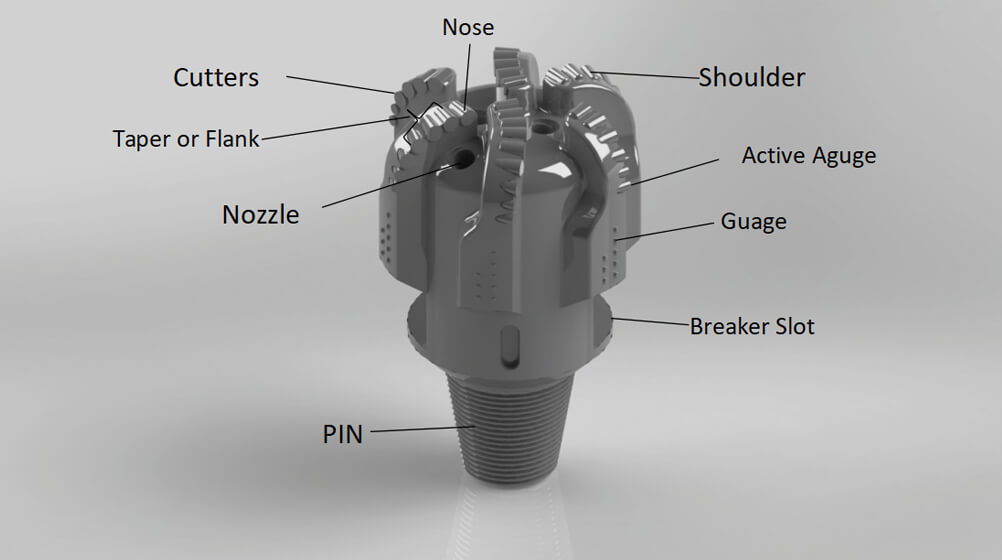
2. PDC Bits
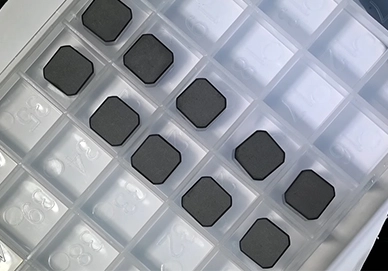
Description: Durable bits made with synthetic diamonds, designed for hard and abrasive materials.
Applications: Suitable for drilling in tough geological formations, often used in foundation drilling and geothermal applications.
3. Hammer Drill Bits
Description: Designed for use with hammer drills, these bits have a robust construction to withstand impact.
Applications: Effective for drilling into hard materials like concrete and stone, especially in heavy-duty construction.
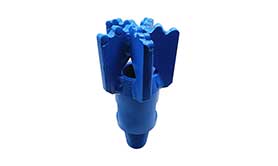
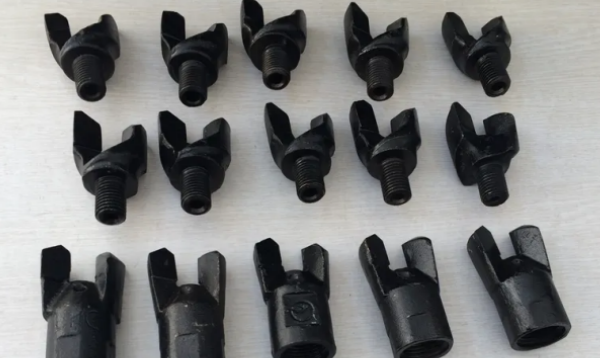
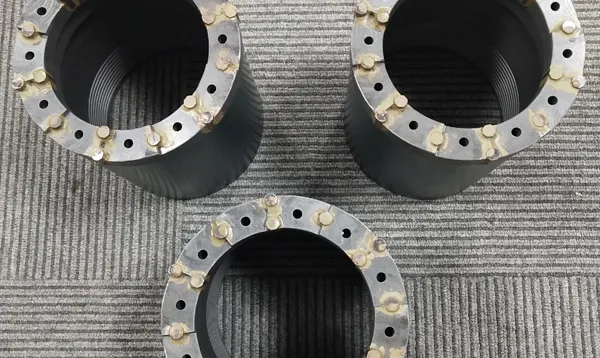
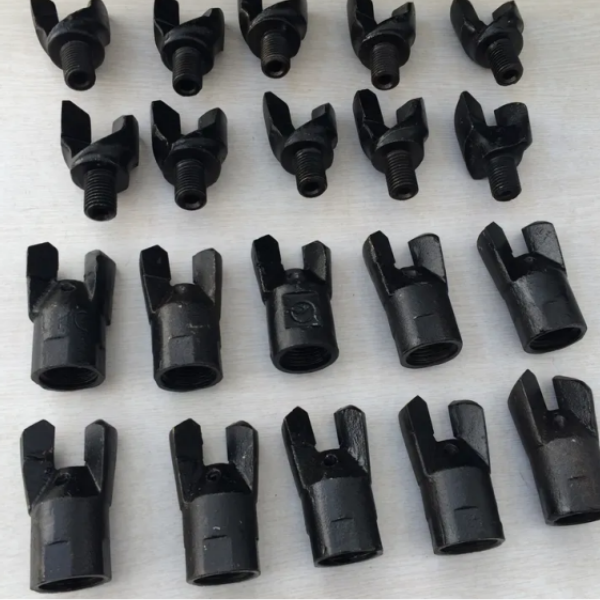
4. Anchor Bits
Description:Anchor bits are specialized drilling tools designed for creating holes that will accommodate anchors used to secure structures or components to various materials.
Applications: Their applications range from foundation anchoring to utility mounting, making them essential for ensuring the integrity and safety of construction projects.
Applications in Construction
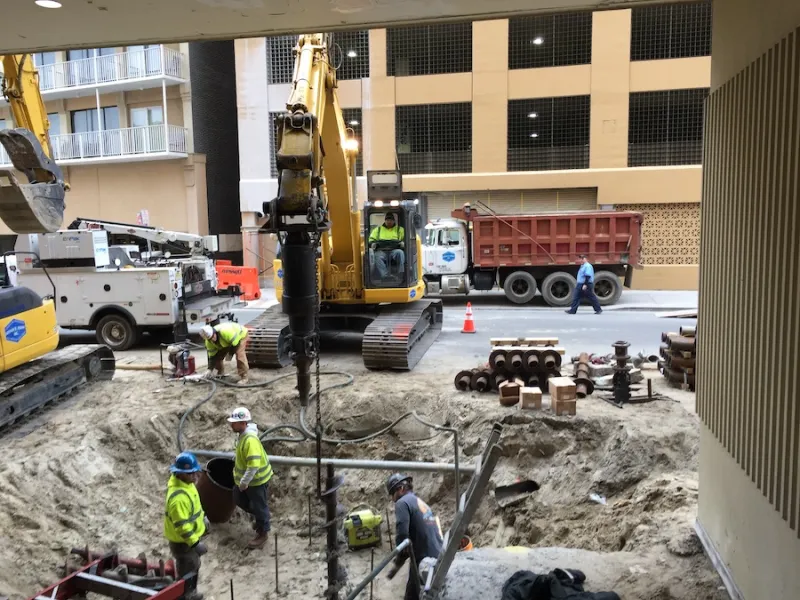
Foundation Drilling: Used to create holes for concrete piers, piles, and footings, ensuring stable foundations for structures.
Geotechnical Investigations: Used to obtain soil samples and assess ground conditions, aiding in project planning and design.
How to Select the Right Drilling Bit for Construction?
Selecting the appropriate drilling bit is crucial for the success of construction projects. Factors such as the type of material, hole size, and project requirements should guide the choice of bit. Understanding the various types of drilling bits and their applications can lead to more efficient and effective construction practices.
Video of Drilling Bits Applications in Construction
We use cookies to offer you a better browsing experience, analyze site traffic and personalize content. Part of the tracking is necessary to ensure SEO effectiveness, By using this site, you agree to our use of cookies.
Visit our cookie policy to learn more.
 EN
EN  fr
fr  de
de  es
es  it
it  ru
ru  pt
pt  ar
ar  vi
vi  tr
tr  fa
fa