Email

Matrix Body PDC Drill Bit vs Steel Body PDC Bit: Which Is Better for Your Formation?

For abrasive, erosion-prone formations, a matrix body PDC drill bit is generally the stronger choice because its tungsten-carbide matrix provides excellent wear and erosion resistance. For softer formations, shale sections, and drilling conditions where impact tolerance, aggressive blade geometry, and efficient cuttings evacuation are more important, steel body PDC bits often deliver better performance.


However, formation hardness alone should not determine bit selection. Abrasiveness, interbedding, drilling fluid, hydraulic requirements, vibration, expected footage, and ROP targets all affect the decision.


Matrix Body vs Steel Body PDC Bit: Key Differences

The main difference is the material used to construct the bit body.


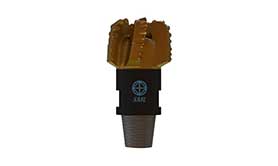
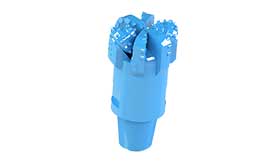
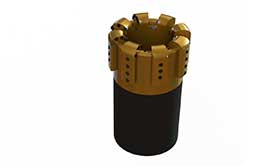
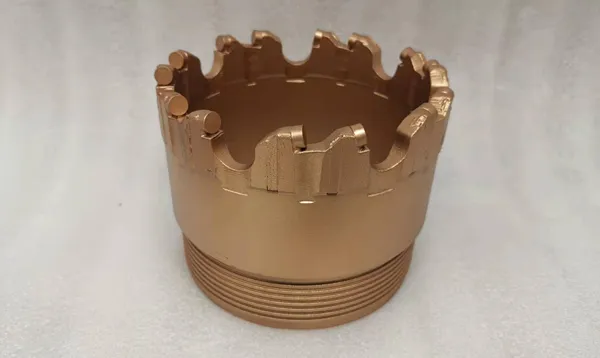
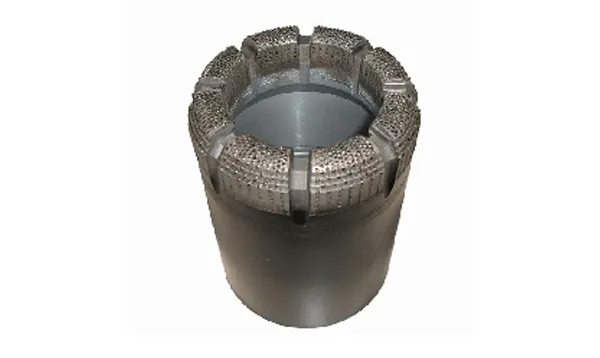
A Matrix PDC Drill Bit typically uses a tungsten-carbide-based matrix sintered around a steel core. Matrix material offers significantly better abrasion and erosion resistance than conventional steel, making it suitable where long exposure to abrasive cuttings and high-velocity drilling fluid can damage the bit body.


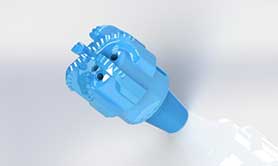
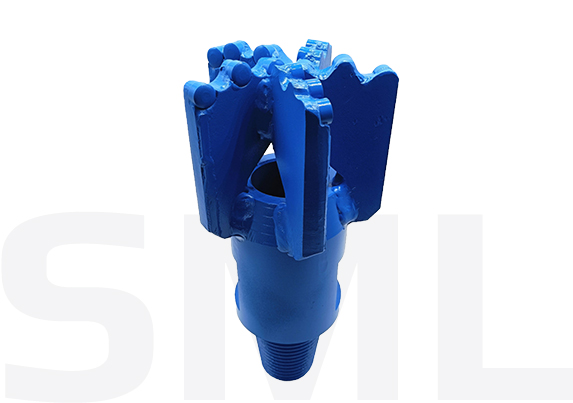
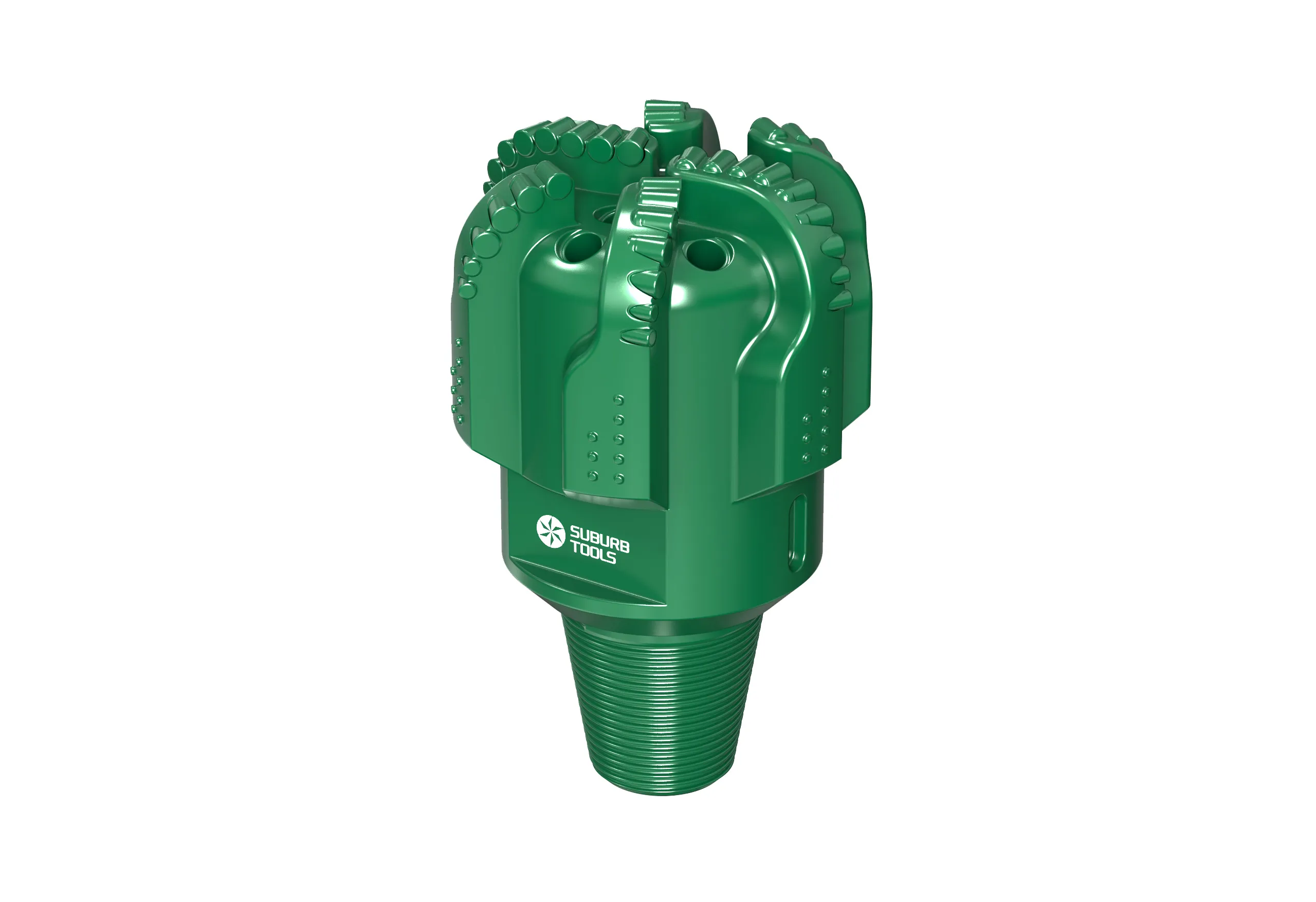
Steel-body bits are machined from high-strength steel. Steel is tougher and more ductile, allowing manufacturers to design taller, thinner blades and larger junk slots. These features can improve hydraulic efficiency and cuttings removal, particularly in formations that generate large volumes of cuttings.


Performance FactorMatrix Body PDC BitSteel Body PDC Bit
Abrasion resistanceExcellentModerate to high with hardfacing
Erosion resistanceExcellentLower than matrix
Impact toughnessModerateExcellent
Blade design flexibilityMore limitedHigh
Cuttings evacuationGoodOften better
Typical preferenceAbrasive formations, long runsSoft/medium formations, shale, high-ROP drilling


Wear Resistance and Impact Performance in Different Formations

Which PDC bit is better for abrasive formations?

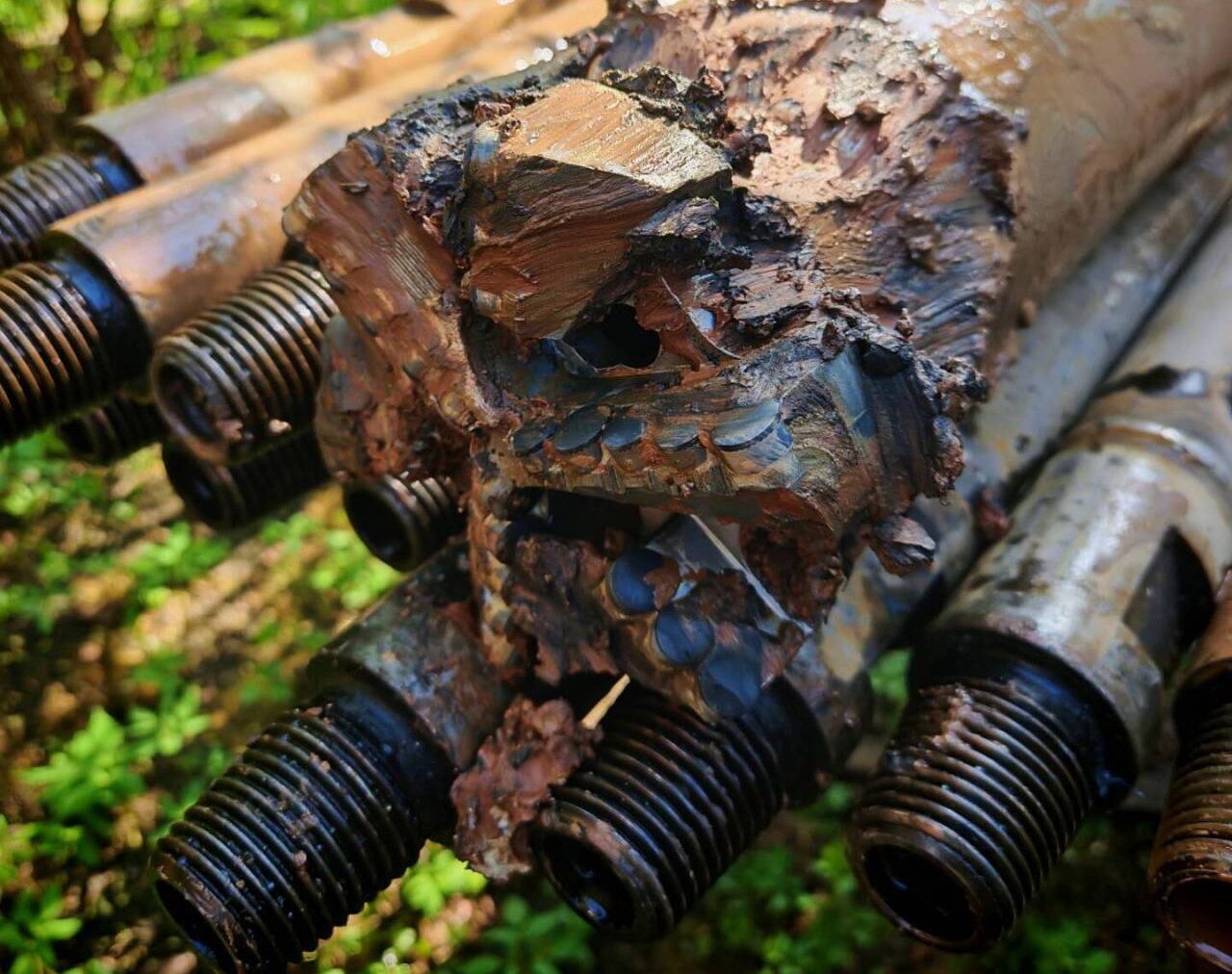
A matrix body PDC drill bit is normally preferred when body erosion is a major risk. Abrasive sandstone, formations containing significant abrasive solids, and high-flow drilling environments can gradually remove material around blades, cutters, and fluid courses.


Tungsten-carbide matrix has inherently high wear resistance, helping the bit maintain its profile and cutter support over longer intervals. Steel bodies normally require hardfacing or other protective technologies to achieve comparable erosion protection.


Which body handles impact and vibration better?

Steel generally provides better toughness.


In interbedded or dynamically unstable drilling conditions, sudden changes in formation strength can generate impact loads, stick-slip, or vibration. Because steel is more ductile than tungsten-carbide matrix, it can tolerate mechanical shock better without brittle body damage.


This does not mean steel should automatically be selected for every hard formation. Cutter design, blade count, back rake, depth-of-cut control, BHA dynamics, and operating parameters can be more important than body material alone.


Matrix vs Steel PDC Bits for Deep Wells and Abrasive Drilling

Deep drilling increases the importance of bit durability because an unnecessary trip can cost considerably more than the difference in bit purchase price.


Where a deep interval is consistently abrasive and erosion is expected to limit bit life, a Matrix PDC Drill Bit is often the safer option. Its wear-resistant body can help preserve blade geometry and gauge condition over extended footage.


Steel-body designs can still be highly effective in deep wells when hydraulics and cuttings evacuation are the main challenges. Their manufacturing flexibility permits large junk slots and relatively tall blades. Steel-body PDC designs have therefore been successfully optimized for shale drilling where efficient evacuation and resistance to bit balling are critical.


Modern materials have also reduced the traditional performance gap. Advanced hardfacing, erosion-resistant cladding, improved cutters, and application-specific designs allow some steel bits to operate in environments that historically favored matrix construction.


How to Choose a PDC Bit Body for Your Drilling Conditions

Instead of selecting by rock hardness alone, evaluate the complete drilling environment.

Choose a matrix body PDC drill bit when:

  • Formation abrasiveness and body erosion are major concerns.

  • Long bit life and extended footage are more important than maximum aggressiveness.

  • Abrasive drilling fluid or solids may accelerate blade and gauge wear.

  • Previous steel bits show significant erosion before cutter failure.


Consider steel body pdc bits when:

  • The formation is soft to medium and high ROP is a priority.

  • Efficient cuttings evacuation is critical.

  • Bit balling or packed cuttings have reduced previous drilling performance.

  • Impact loading and drilling dynamics require greater body toughness.

  • A more aggressive or application-specific blade geometry is needed.


For mixed or interbedded formations, review offset well data before making the final selection. Dull grading, cutter damage, body erosion, ROP, vibration data, WOB, RPM, flow rate, and bit hydraulics provide much better guidance than formation name alone.


FAQs About Matrix and Steel Body PDC Bits

What is the main difference between matrix and steel body PDC bits?

Matrix bits prioritize abrasion and erosion resistance, while steel bits provide greater toughness and design flexibility. This difference affects blade geometry, hydraulics, durability, and the formations in which each design performs best.


Is a matrix PDC bit always better for hard rock?

No. A hard formation may also be interbedded, fractured, or impact-prone. In these conditions, cutter technology and bit stability can matter more than body material. Selection should consider both rock properties and drilling dynamics.


Are steel body PDC bits suitable for abrasive formations?

Yes, especially when advanced hardfacing or erosion-resistant protection is used. However, conventional steel remains inherently less erosion-resistant than tungsten-carbide matrix, so expected body wear should be evaluated carefully.


Which PDC bit gives a higher ROP?

There is no universal winner. Steel-body designs can provide excellent ROP in soft formations and shale because their geometry can promote aggressive cutting and efficient cuttings evacuation. Matrix designs may produce better overall economics in abrasive intervals by maintaining cutting structure and bit condition for longer runs.


How should I select the right PDC bit for a specific formation?

Start with formation compressive strength, abrasiveness, interbedding, drilling fluid, required flow rate, expected vibration, hole size, directional requirements, and offset-bit performance. The best bit is the design that achieves the required ROP without sacrificing durability or forcing an additional trip.


SML TOOLS supplies both matrix and steel PDC bit configurations for different drilling applications. For more accurate selection, provide formation details, hole diameter, drilling parameters, and previous bit performance so the cutting structure and body design can be matched to the actual drilling conditions.

We use cookies to offer you a better browsing experience, analyze site traffic and personalize content. Part of the tracking is necessary to ensure SEO effectiveness,
By using this site, you agree to our use of cookies. Visit our cookie policy to learn more.
Reject Accept