Email

Water Well Drilling Bits: Types, Sizes, and How to Choose the Right One for Your Borehole Project

Quick Answer

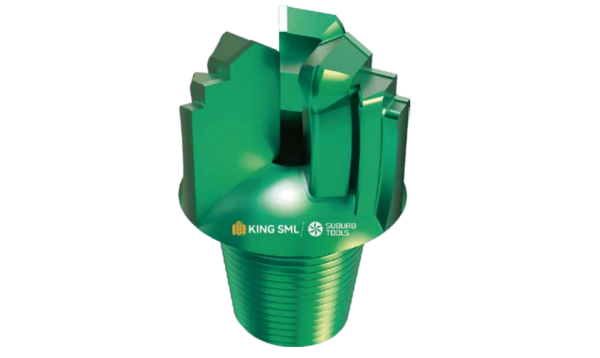
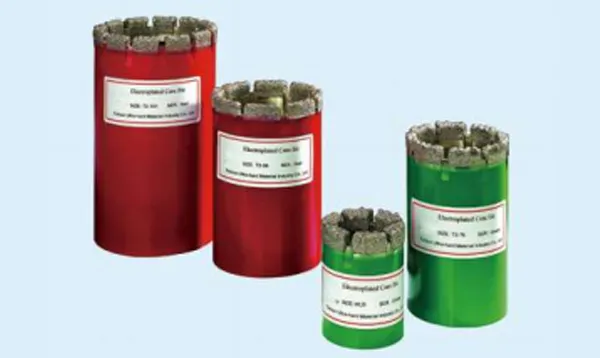
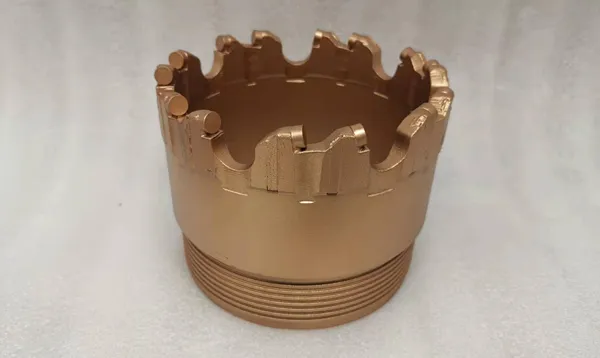
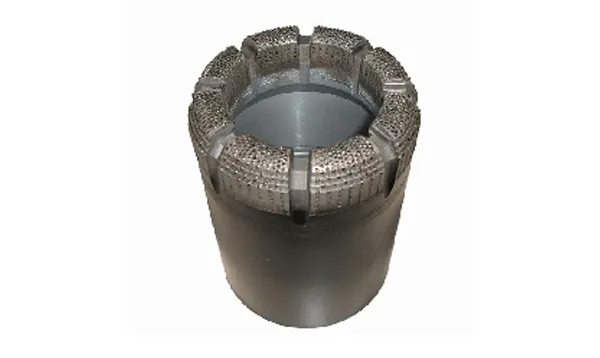
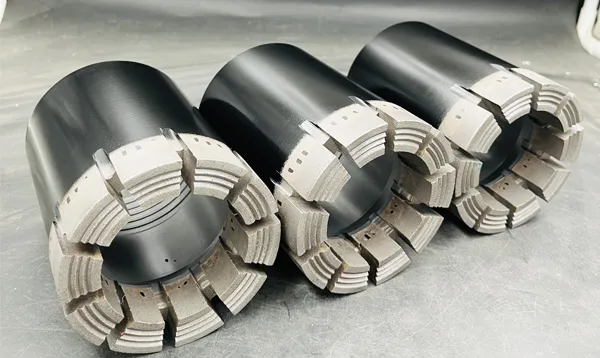
Water well drilling bits are cutting tools used in borehole drilling to break underground formations for water supply, irrigation, and industrial wells.

The right selection of a borehole drill bit depends on three key factors: formation type, drilling method, and required borehole diameter.

The main water well drilling bits types include PDC bits, tricone bits, and drag bits. Each type is designed for different geological conditions and directly affects drilling speed, cost per meter, and tool lifespan.

For users searching for a reliable drill bit for sale, KING SML provides professional water well drill bit solutions for different formations and drilling applications. 

What Are Water Well Drilling Bits?

A water well drilling bit is the cutting component at the bottom of a drill string used to crush, cut, or grind rock and soil to create a borehole.

Compared with general drilling tools, drill bit water well applications require higher durability and adaptability because formations vary significantly during drilling.

A properly selected borehole drill bit improves:

· Drilling efficiency 

· Penetration rate 

· Tool lifespan 

· Total project cost 

· Borehole quality and stability  

Water Well Drilling Bits Types

Understanding water well drilling bits types is essential for selecting the correct tool for different geological conditions.

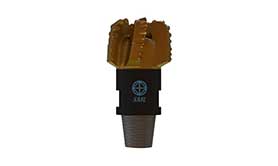
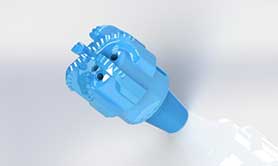
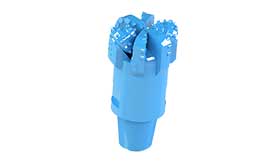
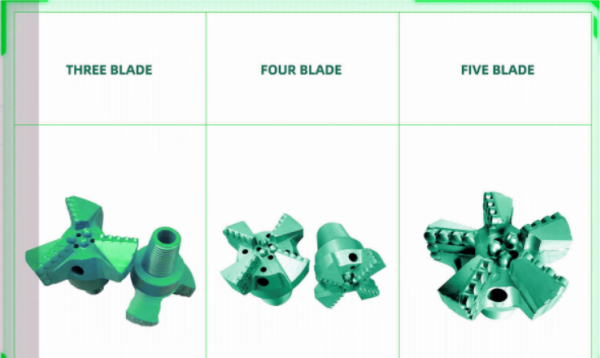
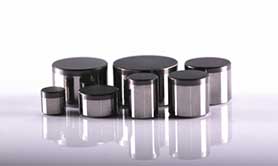
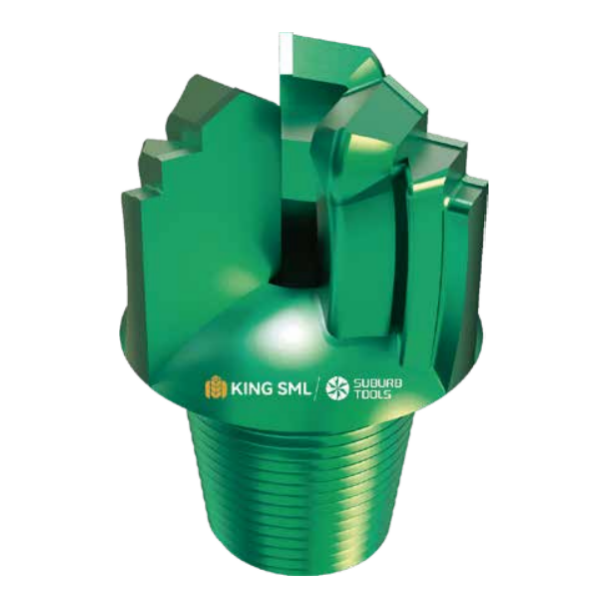
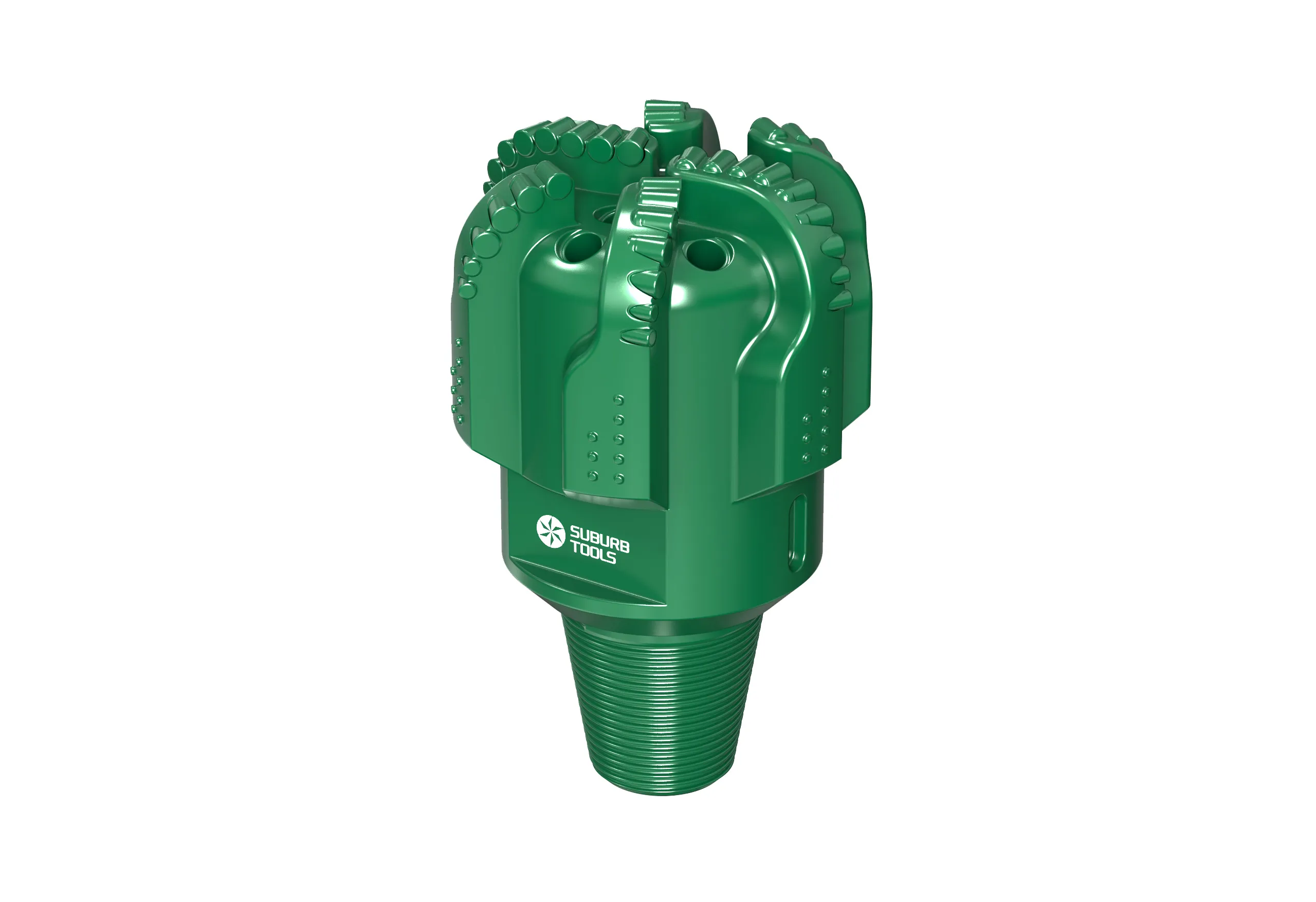
1. PDC Drill Bits (Polycrystalline Diamond Compact)

Best for: Soft to medium-hard formations such as clay, shale, and sandstone.

Key advantages:

· High penetration rate 

· Long service life 

· Stable performance in deep drilling Applications:

· Deep water wells 

· Irrigation wells 

· Medium-depth boreholes  

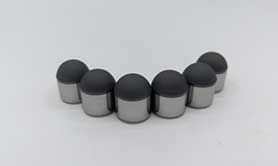
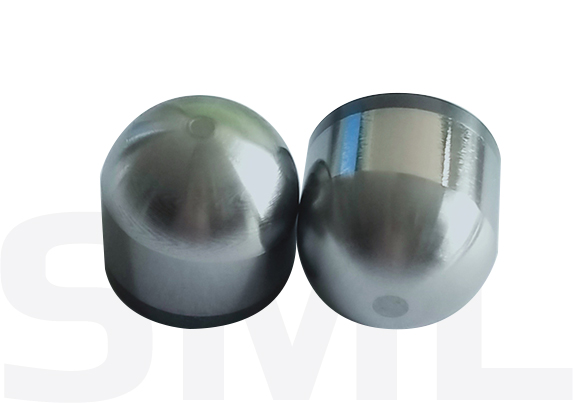
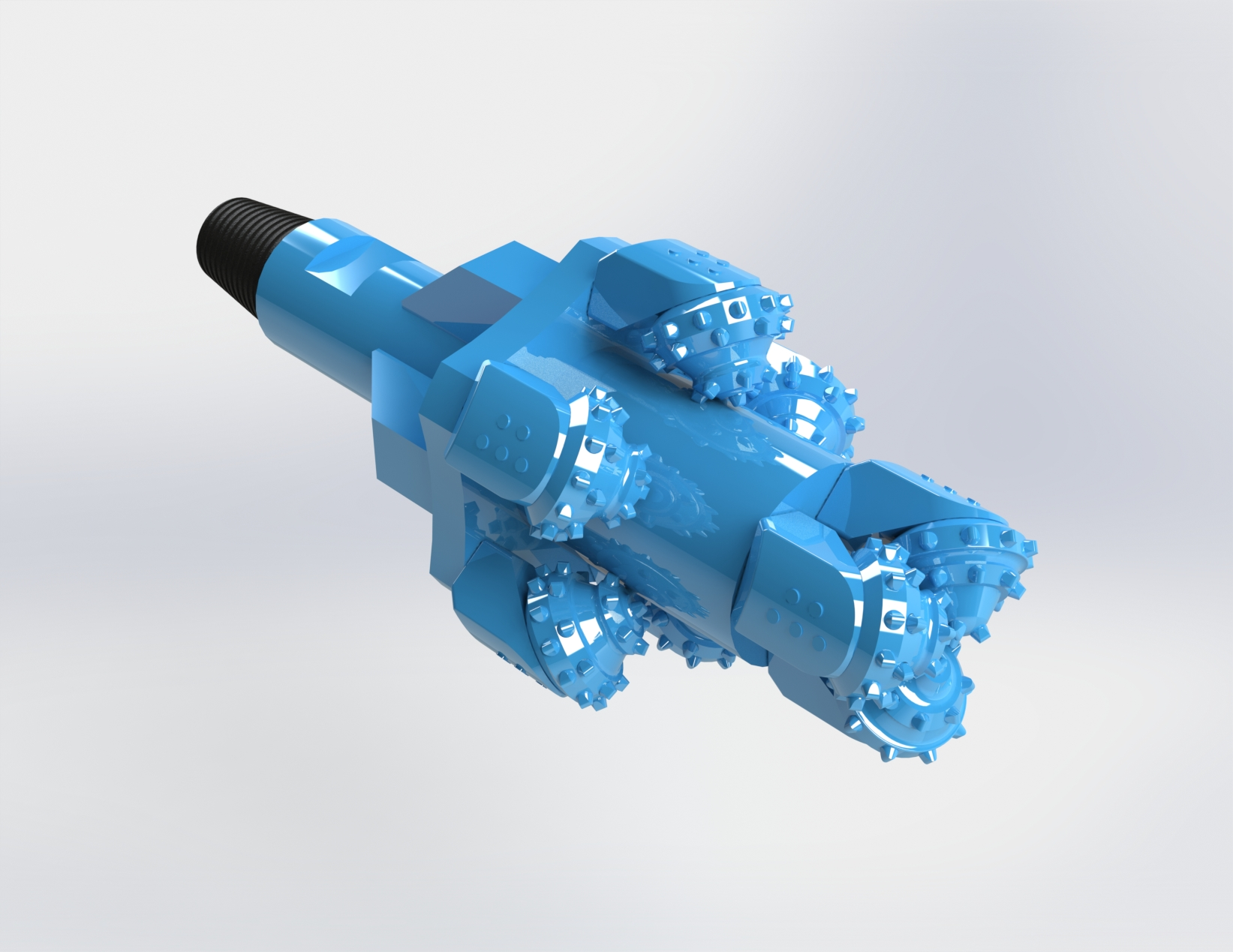
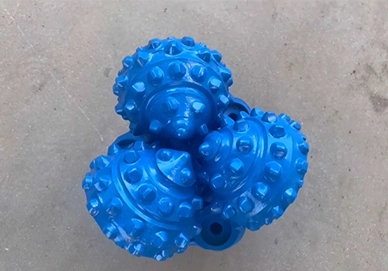
2. TCI Tricone Bits (Tungsten Carbide Insert)

Best for: Medium to hard rock formations such as limestone and dolomite.

Key advantages:

· High impact resistance 

· Excellent durability in abrasive rock 

· Stable performance in hard formations 

Applications:

· Hard rock boreholes 

· Geological exploration 

· Deep foundation drilling  

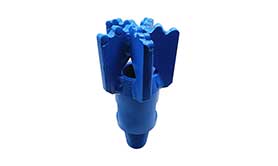
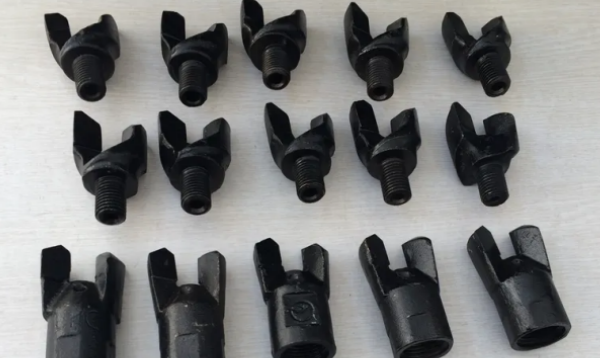
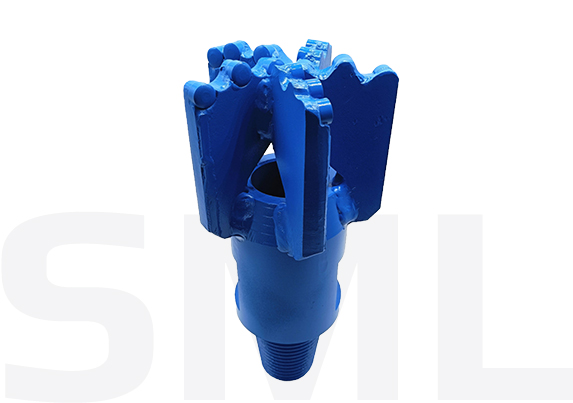
3. Drag Bits

Best for: Soft ground such as sand, clay, and loose soil.

Key advantages:

· Low cost 

· Simple structure 

· Fast drilling in soft formations 

Applications:

· Shallow water wells 

· Test drilling 

· Soft soil projects  

4. Hybrid Drill Bits

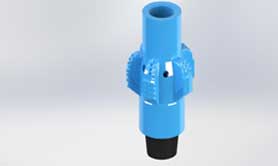
Hybrid designs combine PDC cutting elements and tricone rolling structures to handle variable formations.

They are suitable for:

· Mixed geological conditions 

· Unstable formations 

· Deep and complex boreholes  

Borehole Drill Bit Sizes (Water Well Drill Bit Sizes Guide)

Selecting correct water well drill bit sizes is critical for borehole design and casing installation.


Common Size Categories

Size CategoryBit Size RangeApplication
Small3" – 4"Residential wells
Medium6" – 7½"Standard water wells
Large8⅝" – 10¼"Industrial wells
Extra Large12" – 15"+Deep/high-capacity wells


Key Selection Rule

The bit size must match:

· Borehole casing diameter 

· Pump system requirements 

· Required water output volume 

Incorrect sizing may cause casing failure or reduced water flow efficiency. 

Comparison Table: Water Well Drilling Bits Types

Bit TypeBest FormationStrengthLimitation
PDC bitSoft–medium rockHigh speed drillingNot ideal for very hard rock
Tricone bitMedium–hard rockHigh durabilitySlower than PDC in soft formations
Drag bitSoft soilLow costLimited depth capability
Hybrid bitMixed formationsHigh adaptabilityHigher cost


How to Choose the Right Drill Bit for Water Well Drilling

Selecting the correct drill bit water well solution requires a structured engineering approach.

Step 1: Identify Formation Conditions

· Soft formations → Drag bit or PDC drag bit 

· Medium formations → PDC or tricone bit 

· Hard rock formations → TCI tricone bit or reinforced 

PDC bit Formation type is the most important factor in bit selection. 


Step 2: Match Drilling Equipment

Different rigs require different bits:

· Rotary rigs → PDC and tricone bits 

· DTH rigs → Hard rock drilling systems 

· Auger rigs → Shallow soft formations 

Correct matching improves efficiency and reduces wear. 


Step 3: Evaluate Cost per Meter

Professional drilling decisions should focus on total drilling cost, not just purchase price. Key factors include:

· Penetration rate (ROP) 

· Bit lifespan 

· Trip frequency 

· Maintenance and downtime Higher-quality bits often reduce overall drilling cost per meter. 


Step 4: Ensure Supply Reliability

Consistent supply is critical for drilling operations. KING SML provides stable production and technical support for different drill bit for sale options, helping contractors choose the correct model for each drilling condition. 

Why Choosing the Right Borehole Drill Bit Matters

A properly selected borehole drill bit directly affects project performance:

· Faster drilling speed and higher efficiency 

· Reduced tool wear and replacement frequency 

· Lower total project cost 

· Better borehole stability and quality 

In real drilling projects, correct bit selection can significantly improve overall productivity. 

Recommended Drill Bit Selection Guide

ConditionRecommended BitReason
Soft soilDrag bitFast and economical
Medium rockPDC bitBalanced speed and durability
Hard rockTCI tricone bitHigh resistance to wear
Mixed formationHybrid bitHigh adaptability


Water Well Drill Bits for Sale from KING SML

KING SML is a professional manufacturer and supplier of drill bit water well solutions for global drilling projects.

Our product range includes:

· PDC drill bits 

· TCI tricone bits 

· Drag bits 

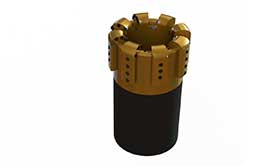
· Custom borehole drill bits 

Whether for standard applications or complex geological conditions, KING SML provides reliable drill bit for sale options with engineering support and customized solutions. 

Conclusion

Selecting the right water well drilling bits types and water well drill bit sizes is essential for efficient, stable, and cost-effective drilling performance. By understanding geological conditions, matching drilling equipment, and optimizing cost per meter, drilling efficiency can be significantly improved. For reliable drill bit water well solutions, KING SML provides durable and application-specific drilling tools designed for real-world borehole projects. 

FAQ

What is the best water well drilling bit type?

The best bit depends on formation conditions. PDC bits are ideal for soft to medium formations, while tricone bits are better for hard rock drilling. 


What are standard water well drill bit sizes?

Common sizes range from 3 inches for small wells to over 15 inches for industrial boreholes. Size selection depends on casing and pump requirements. 


What is the difference between PDC and tricone bits?

PDC bits provide faster drilling in softer formations, while tricone bits perform better in hard and abrasive rock conditions. 


How do I choose the right borehole drill bit?

You should consider formation type, drilling rig compatibility, and cost per meter efficiency rather than only initial price.  

We use cookies to offer you a better browsing experience, analyze site traffic and personalize content. Part of the tracking is necessary to ensure SEO effectiveness,
By using this site, you agree to our use of cookies. Visit our cookie policy to learn more.
Reject Accept