Email

The Ultimate Guide to Rock Drill Bits: From Tricone to DTH and Everything in Between

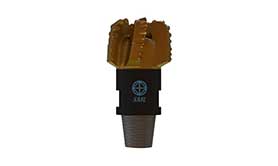
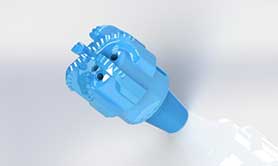
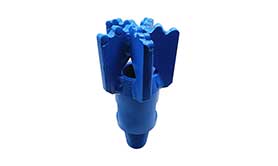
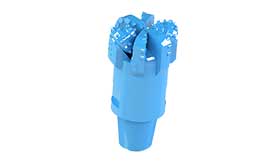
Choosing the right rock drill bit is a critical engineering decision in mining, construction, geothermal drilling, and water well projects. The performance of a drilling project is largely determined by how well the bit matches the formation characteristics.

In real drilling operations, incorrect bit selection often leads to low penetration rate, excessive wear, poor hole quality, and increased cost per meter. That is why understanding tricone drill bit, roller cone bit, DTH drill bit, and mining bits is essential for efficient drilling design.

This guide from KING SML is based on real drilling applications and explains how each bit performs under different geological conditions. 

Quick Answer: What Is a Rock Drill Bit?

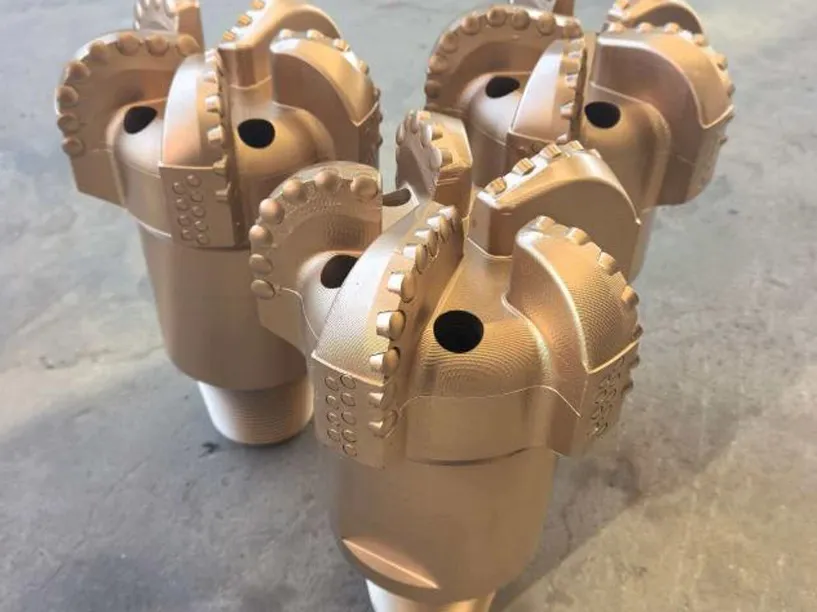
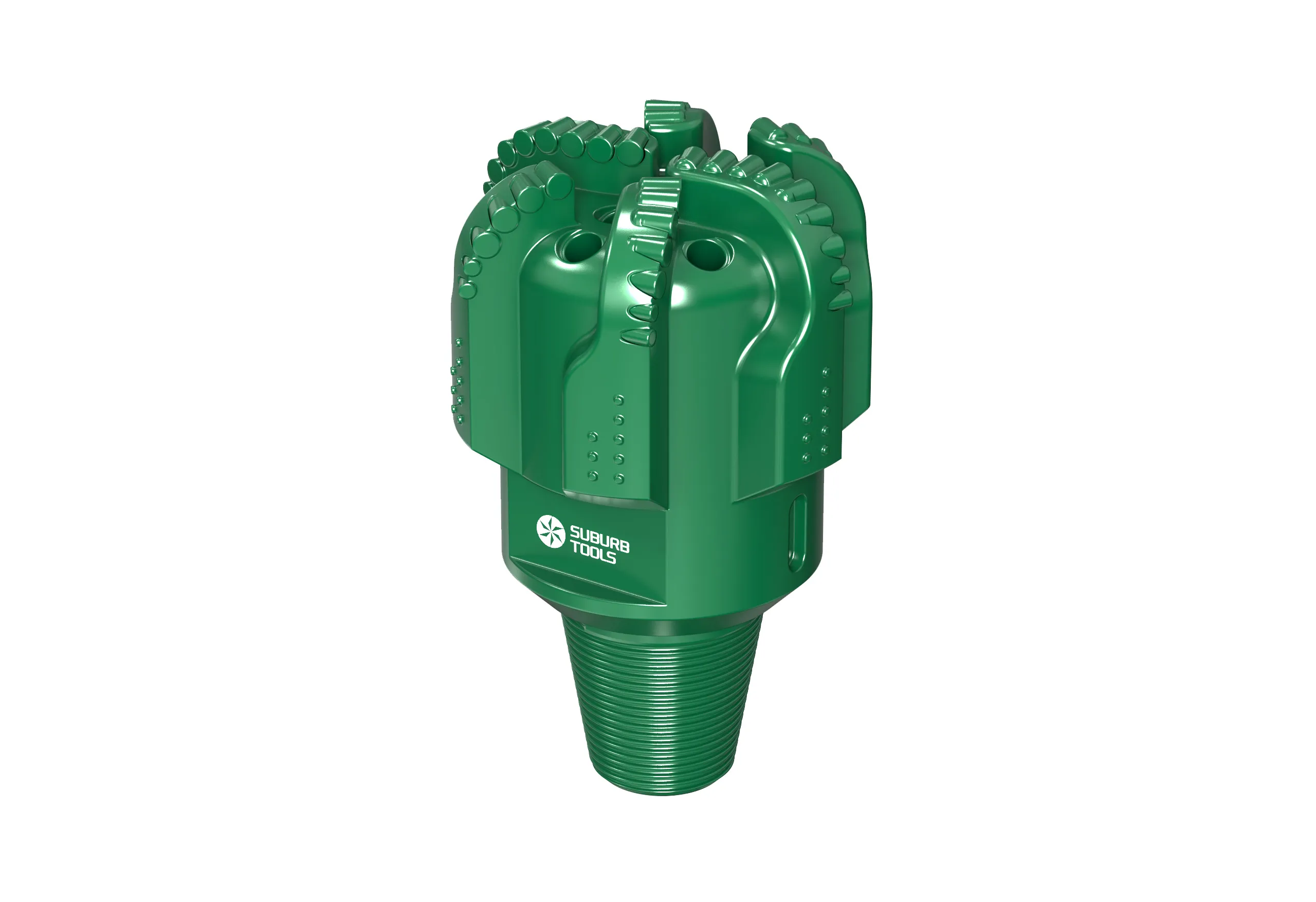
A rock drill bit is a downhole cutting tool used to break rock formations by applying rotary force, impact energy, or both.

Main types include:

· Roller cone bit (tricone drill bit): rotary crushing and shearing, suitable for soft to medium and variable formations 

· DTH drill bit: percussive impact at the bottom of the hole, ideal for hard and abrasive rock 

· Mining bits: reinforced designs for high-intensity continuous drilling in mining operations 

Selection depends on formation hardness, abrasiveness, drilling depth, and required penetration rate. 

What Is a Rock Drill Bit?

A rock drill bit transfers mechanical energy from the drilling rig into the formation to fracture and remove rock efficiently.

Rock breaking mechanisms include:

· Rotary crushing (roller cone / tricone drill bit) 

· Percussion impact (DTH drilling system) 

· Reinforced hybrid structures (mining applications) 

In field drilling, bit performance is mainly determined by formation hardness, rock abrasiveness, and flushing efficiency. 

Roller Cone Bit (Tricone Drill Bit): Most Versatile Drilling Solution

The roller cone bit, commonly known as a tricone drill bit, is one of the most widely used rock drilling tools in the industry. It consists of three rotating cones mounted on sealed bearings, each equipped with cutting structures designed to crush and shear rock.

How a tricone drill bit works

During drilling, the bit rotates at the bottom of the borehole while each cone rolls independently across the formation surface.

The rock is broken through a combination of:

· Crushing under cone weight

· Shearing from tooth interaction 

· Grinding from rolling motion 

This makes tricone drill bits highly effective in formations where lithology changes frequently.

Cutting structure types

· Steel tooth (milled tooth): optimized for soft formations with high penetration rate 

· Tungsten carbide insert (TCI): designed for medium to hard and abrasive formations

Field performance characteristics

From drilling field applications, tricone drill bits are typically selected when:

· Formation is not fully predictable 

· Mixed layers (sandstone, shale, limestone) are present 

· Balanced cost and performance is required

Key advantages

· Strong adaptability in variable formations 

· Stable performance in medium-depth drilling 

· Cost-effective for general drilling operations 

· Wide availability in different IADC classifications

Typical applications

· Water well drilling 

· Oil and gas exploration 

· Mining exploration drilling 

· Geotechnical and foundation drilling  

DTH Drill Bit: High-Performance Solution for Hard Rock

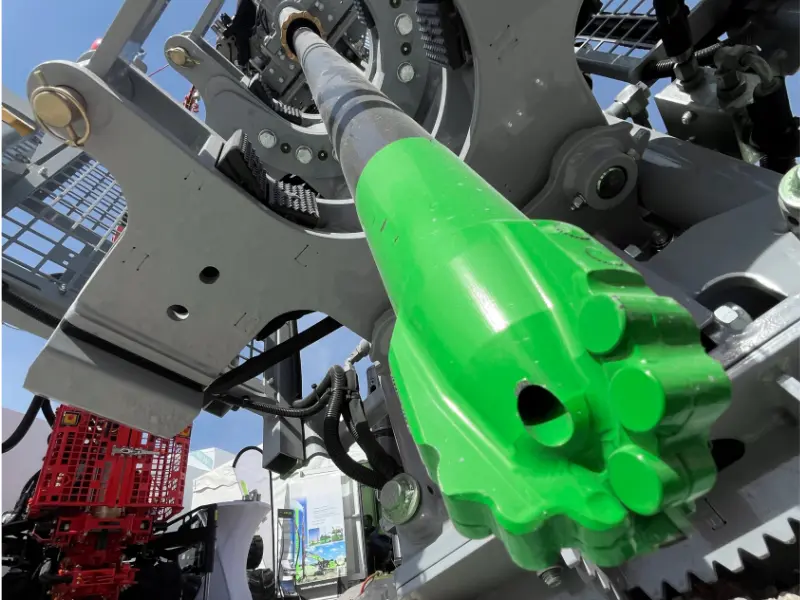
The DTH drill bit (down-the-hole drill bit) is engineered for hard, abrasive rock formations where rotary drilling efficiency is significantly reduced. Unlike tricone systems, DTH drilling delivers impact energy directly at the rock face.

How DTH drilling works

A DTH hammer is positioned directly above the drill bit. Compressed air drives a piston inside the hammer, which repeatedly strikes the bit face at high frequency while the bit rotates slowly.

This ensures that:

· Energy is applied directly to rock fracture 

· Minimal energy is lost through the drill string 

· Cuttings are efficiently removed by air flushing

Field performance characteristics

In practical drilling operations, DTH drill bits are preferred when:

· Rock compressive strength is high (granite, basalt) 

· Hole deviation must be minimized 

· Deep drilling in hard formations is required

Key advantages

· Extremely high penetration rate in hard rock 

· Excellent borehole straightness 

· High energy efficiency in deep drilling 

· Stable performance in abrasive formations

Typical applications

· Mining blast hole drilling 

· Quarry drilling 

· Hard rock water well drilling

  · Infrastructure and foundation drilling 

In many real-world cases, DTH becomes the only efficient option once tricone performance declines in hard formations. 

Mining Bits: Designed for Extreme and Continuous Drilling

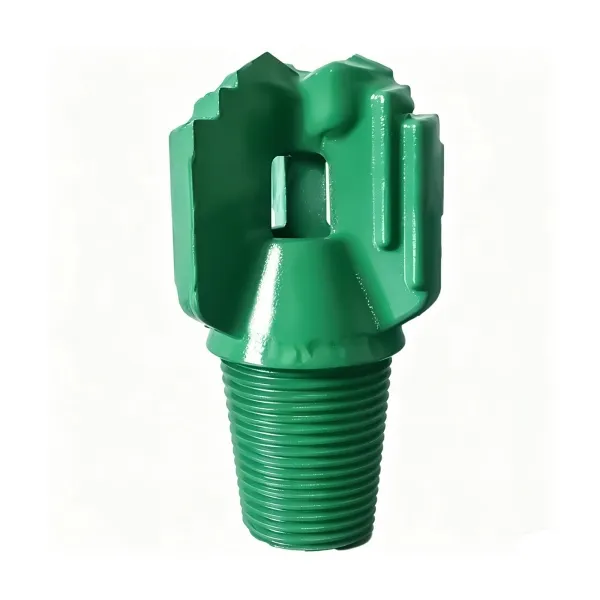
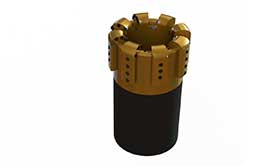
Mining bits are heavy-duty rock drill bits engineered for continuous, high-load drilling environments such as open-pit and underground mining.

These applications demand:

· Long service life under extreme wear 

· High resistance to impact fatigue 

· Stable performance in abrasive rock 

· Reduced downtime for bit replacement

Common mining bit configurations

· Heavy-duty DTH drill bits for blast hole drilling 

· Reinforced tricone drill bits for deep exploration drilling 

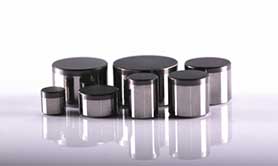
· Tungsten carbide reinforced structures for abrasive formations

Engineering focus in mining applications

Unlike general drilling, mining operations prioritize:

· Cost per meter efficiency · Tool life consistency 

· Reduced non-productive time (NPT) 

Mining bits are therefore designed to balance penetration rate with durability. 

Rock Drill Bit Selection Guide

In real drilling design, bit selection is based on formation behavior rather than theory alone.

Soft formations
Roller cone bit with steel teeth is preferred due to high cutting aggressiveness and fast penetration.

Medium formations
Tricone drill bit (TCI type) provides balanced wear resistance and drilling efficiency.

Hard and abrasive formations
DTH drill bit is preferred due to direct impact energy transfer.

Mixed formations
Operators often adopt a staged drilling strategy:
start with tricone drilling and switch to DTH when rock hardness increases. 

Tricone Drill Bit vs DTH Drill Bit 

The difference between tricone drill bit and DTH drill bit is primarily based on rock breaking mechanics.

Tricone drill bit:

· Rotary crushing and shearing 

· Better adaptability in variable formations 

· Lower cost per bit 

DTH drill bit:

· Percussive impact combined with rotation 

· Higher efficiency in hard rock 

· Better hole quality in deep drilling 

In engineering practice:

· Tricone = versatility and economic efficiency

· DTH = performance and penetration in hard formations

Conclusion

Efficient drilling depends on selecting the correct rock drill bit based on formation characteristics and drilling method.

The three main systems—roller cone bit (tricone drill bit), DTH drill bit, and mining bits—each serve specific roles in modern drilling engineering.

At KING SML, we focus on providing reliable and application-oriented drilling solutions for mining, construction, and water well industries. Proper bit selection improves penetration rate, reduces cost per meter, and significantly increases overall drilling efficiency.  

FAQ

What is the main function of a rock drill bit?

A rock drill bit is used to break rock formations using rotary or percussive energy during drilling operations.


What is the difference between tricone drill bit and roller cone bit?

They refer to the same type of bit. A tricone drill bit is a three-cone roller cone bit used for rotary crushing of rock.


When should I use a DTH drill bit?

A DTH drill bit is used in hard rock formations such as granite or basalt where rotary drilling becomes inefficient.


Which rock drill bit is best for mining?

Tricone drill bits are commonly used for exploration, while DTH drill bits are preferred for blast hole drilling in hard rock.


Can tricone drill bits be used in hard rock?

Yes, but only TCI tricone bits are suitable for medium to hard formations. Extremely hard rock typically requires DTH systems. 

We use cookies to offer you a better browsing experience, analyze site traffic and personalize content. Part of the tracking is necessary to ensure SEO effectiveness,
By using this site, you agree to our use of cookies. Visit our cookie policy to learn more.
Reject Accept