Email

PDC Cutter Selection Guide: How Cutter Shape and Size Affect Drill Bit Performance

The right PDC cutter should balance cutting efficiency, impact resistance, abrasion resistance, thermal stability, and drilling stability. Larger cutters can provide aggressive rock removal and high penetration potential, while smaller cutters allow greater cutter density and load distribution. Standard round cutters remain highly versatile, whereas shaped cutters can improve rock-breaking efficiency, reduce cutting force, or strengthen impact performance in demanding formations.


For bit manufacturers and drilling contractors, cutter selection should therefore be based on formation characteristics and bit design—not diameter or purchase price alone.


How PDC Cutters Work in PDC Drill Bits

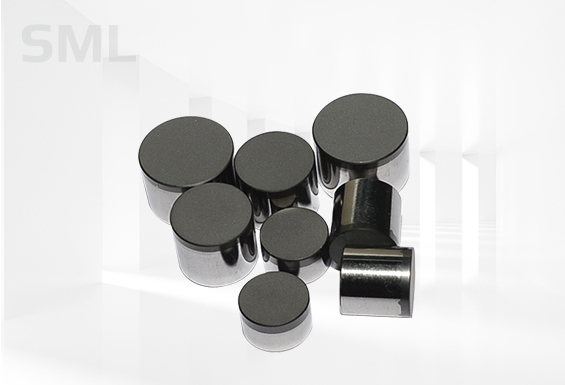
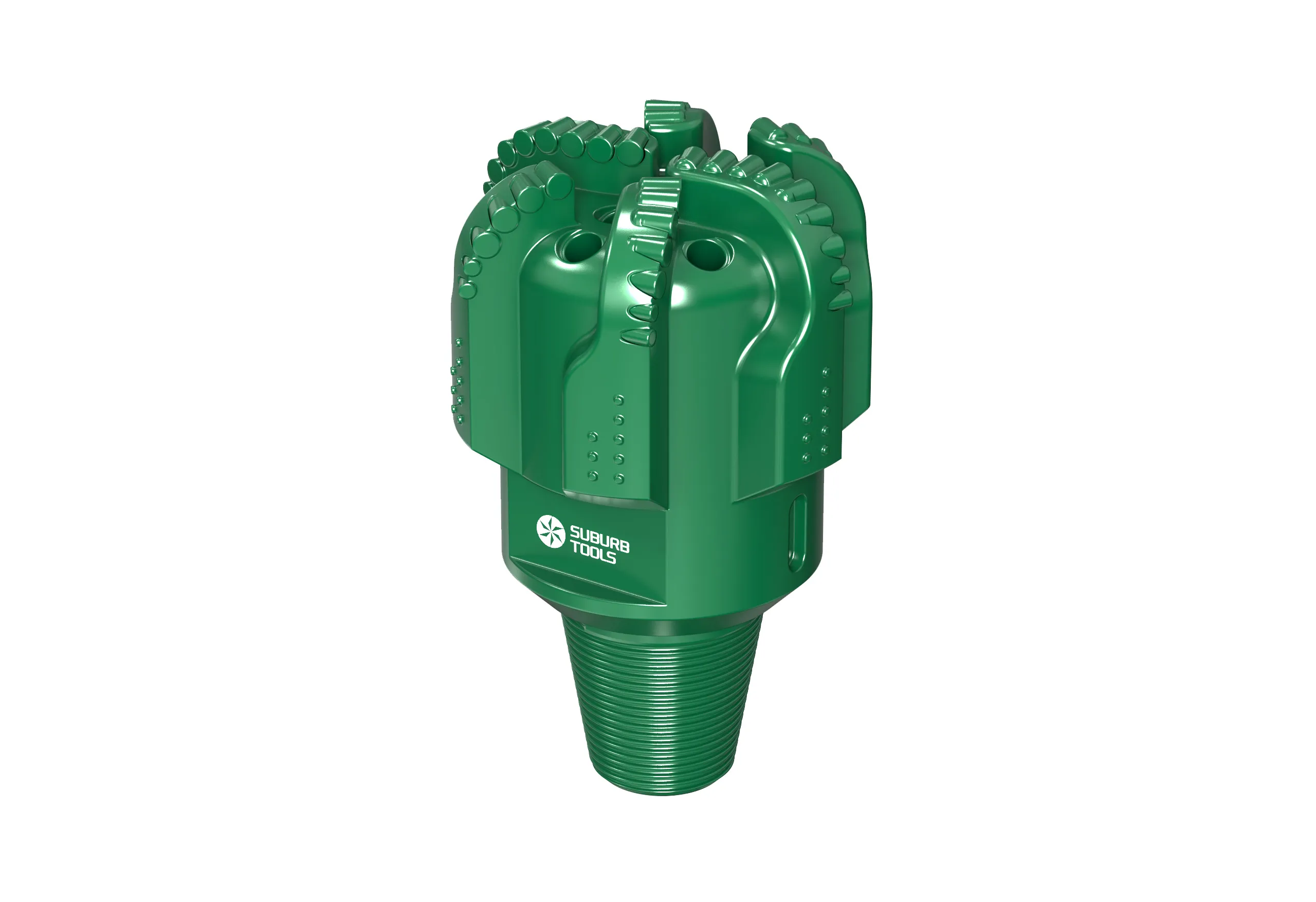
A PDC cutter combines a polycrystalline diamond cutting layer with a tungsten-carbide substrate. The diamond surface provides high hardness and wear resistance, while the carbide substrate supports the cutting element and allows it to be securely installed in the drill-bit blade.


During drilling, the cutter primarily shears the formation. Its performance is influenced by several interacting variables:

  • Cutter diameter and thickness

  • Diamond-table characteristics

  • Back-rake and side-rake angles

  • Chamfer design

  • Cutter exposure

  • Cutter density

  • Position on the bit profile

  • Formation strength and abrasiveness


Cutter density itself is closely related to bit profile, cutter size, cutter type, and cutter quantity. For this reason, replacing one cutter size with another without redesigning the cutting structure can change torque, depth of cut, stability, and wear distribution.


Round, Shaped and Specialized PDC Cutters: What Is the Difference?

Why are round PDC cutters so widely used?

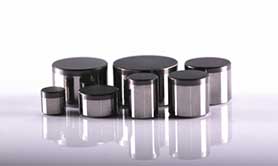
Conventional cylindrical or round cutters provide a predictable cutting edge, straightforward installation, and broad application range. They are commonly used as primary cutters across oil and gas, water well, geothermal, mining, and geological drilling applications.


Their major advantage is design flexibility. Bit designers can control aggressiveness through cutter position, exposure, back rake, chamfer, and blade layout without requiring a highly specialized cutter geometry.


Do shaped PDC cutters improve drilling performance?

They can, when matched correctly to the application.


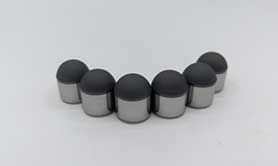
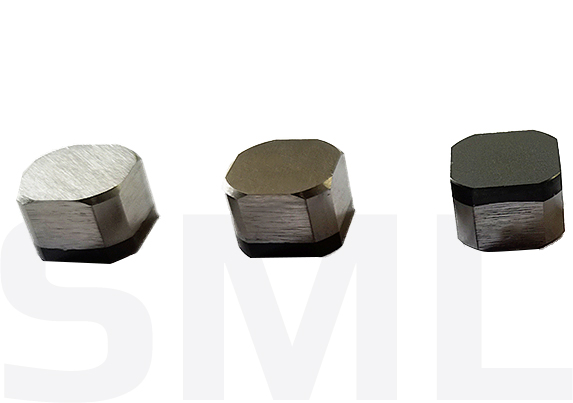
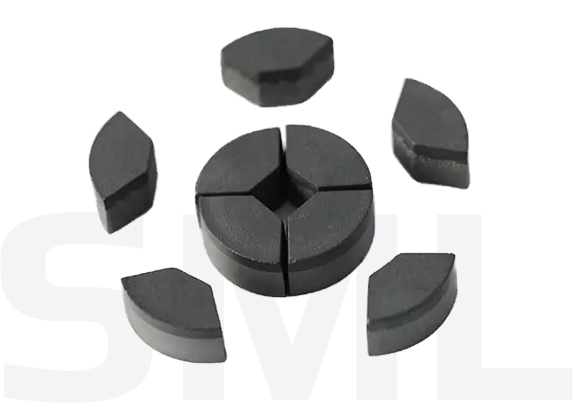
Modern shaped cutters use ridges, cones, concave faces, or other three-dimensional features to modify how the cutter contacts and fractures rock. SLB reports that its ridged cutting elements are designed to improve cutting efficiency and enable higher ROP and footage, while other shaped elements combine shearing and localized crushing mechanisms.


A simplified comparison is:

Cutter TypeMain CharacteristicTypical Design Objective
Standard roundConventional shearing edgeVersatility and predictable wear
Ridge shapedConcentrated ridge contactHigher cutting efficiency
ConicalPoint-contact loadingHard/impact-prone formation engagement
Cambered faceCurved diamond surfaceImproved impact-load distribution
Double chamferReinforced cutting edgeHigher edge durability
Specialized 3D shapeApplication-specific geometryROP, stability or durability optimization


For example, SML's cambered-face design is intended to distribute impact forces more evenly, while its double-chamfer cutters use an additional chamfer to strengthen the cutting edge under higher loads.


Shaped technology should not automatically replace round cutters, however. A cutter that provides excellent penetration in one lithology may create unnecessary aggressiveness or torque fluctuations in another. Cutter geometry must remain part of the complete bit design.


How Cutter Size and Geometry Affect Drilling Performance

Is a larger PDC cutter always better?

No. Increasing cutter diameter changes both the amount of rock engaged by each cutter and the number of cutters that can be placed on the available blade area.


Common PDC cutter diameters used in commercial designs include approximately 8, 10, 13, 16, and 19 mm, while larger diameters are also used in specialized bit designs. SML, for example, lists configurations ranging from 8.2 mm to 19.05 mm across several of its cutter products.


In practical bit design:

Larger cutters can offer:

  • Greater cutting area

  • High depth-of-cut potential

  • Aggressive drilling in suitable formations

  • Fewer cutters for a given blade area


Smaller cutters can offer:

  • Higher cutter density

  • Better load distribution

  • Greater design flexibility

  • Potential advantages in hard or dynamically demanding applications


SPE references confirm that cutter size and density are fundamental PDC bit design variables rather than independent component choices.


How does cutter geometry affect ROP?

Geometry changes the way drilling energy is transferred into the rock.


A conventional flat cutter relies predominantly on shearing. A ridge or other shaped cutter can concentrate the load over a smaller contact area, helping initiate rock failure at lower effective cutting force in certain formations. SLB has reported field and laboratory performance improvements from ridged and concave cutter geometries, including deeper penetration and improved cutting efficiency compared with conventional designs in targeted applications.


The optimum geometry nevertheless depends on formation response. Highly abrasive rock may prioritize diamond volume and wear resistance, while interbedded or impact-prone formations require greater edge strength and resistance to chipping.


What role does the cutter chamfer play?

The chamfer protects the vulnerable cutting edge during initial loading and repeated impact.


A larger or reinforced chamfer can increase edge durability but may initially reduce aggressiveness. A smaller chamfer can provide sharper engagement but may expose the edge to higher stress.


Double-chamfer designs provide another option where increased load capacity and impact performance are required. SML offers double-chamfer configurations across multiple cutter diameters and heights for this purpose.


What to Evaluate When Choosing a PDC Cutter Manufacturer

Finding PDC cutters for sale is relatively easy. Selecting the right PDC cutter manufacturer requires more technical evaluation.


A professional buyer should assess:

1. Application-specific product range

A supplier should offer more than one standard cylindrical cutter. Different drilling environments may require standard, ridge-shaped, cambered, conical, double-chamfer, or other specialized geometries. SML's current cutter portfolio includes multiple standard and shaped configurations for different drilling applications.


2. Size consistency and manufacturing tolerances

Cutter diameter, height, diamond-layer dimensions, and dimensional consistency affect brazing, cutter-pocket fit, and the final geometry of the bit.


3. Abrasion and impact performance

Ask the PDC cutter company how its cutter grades are differentiated for abrasive, high-impact, or mixed formations. The highest abrasion resistance is not automatically the best choice if cutter fracture becomes the dominant failure mechanism.


4. Thermal performance

Frictional heating at the cutter-rock interface can accelerate cutter degradation. Cutter grade, diamond structure, processing, hydraulics, and operating parameters therefore need to work together.


5. Technical matching capability

A capable supplier should request information about the formation and bit design before recommending a product. Cutter diameter alone is not enough.


For OEM orders, provide at least:

  • Formation lithology

  • Formation hardness and abrasiveness

  • Bit diameter

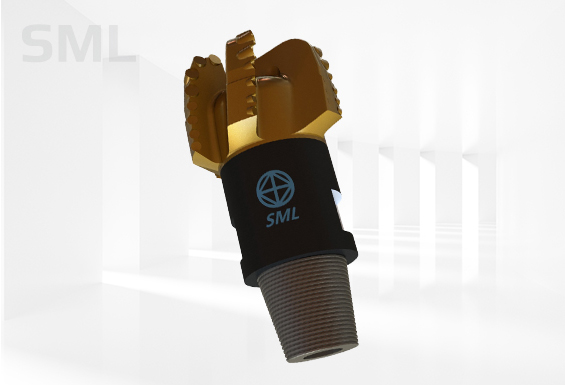
  • Matrix or steel body

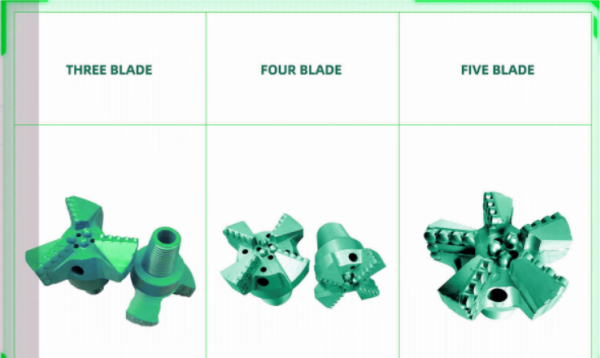
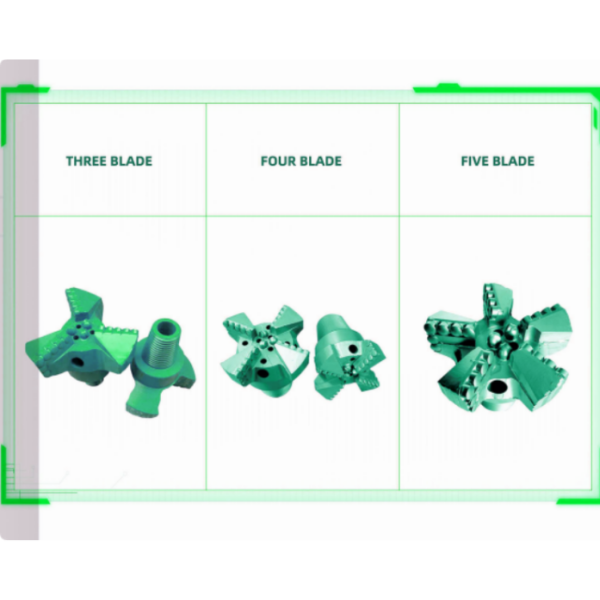
  • Blade count

  • Cutter position or application

  • Required cutter diameter and height

  • Expected WOB and RPM

  • Failure mode of previous cutters

  • Order quantity


This information enables a PDC cutter manufacturer to recommend a grade and geometry based on actual drilling conditions rather than simply supplying a catalog size.


FAQs About PDC Cutters

What is a PDC cutter made of?

A typical PDC cutter consists of a polycrystalline diamond layer bonded to a tungsten-carbide substrate under high-pressure, high-temperature manufacturing conditions. The diamond provides the cutting and wear-resistant surface, while the carbide substrate provides structural support.


What size PDC cutter should I use?

There is no universal best diameter. Smaller cutters can support higher cutter density and distribute cutting loads, while larger cutters can provide greater individual cutting engagement. Selection should consider formation, blade design, bit size, required aggressiveness, torque limitations, and expected cutter wear.


What causes PDC cutter failure?

Typical failure mechanisms include abrasive wear, chipping, impact fracture, excessive thermal loading, delamination, and damage caused by severe drilling vibration. The dominant failure mode should be identified before changing cutter grade or geometry.


Are shaped PDC cutters better than standard cutters?

Not in every application. Shaped cutters can improve penetration, load concentration, stability, or impact performance when engineered for a specific formation. Conventional round cutters remain highly effective when predictable shearing, broad formation compatibility, and straightforward bit design are priorities. Current commercial technologies demonstrate that different ridge, concave, conical, and other geometries are optimized for different drilling challenges.


What information should I provide when buying PDC cutters?

When requesting PDC cutters for sale, specify cutter diameter, height, required shape, application, formation properties, bit type, operating parameters, expected quantity, and any previous cutter wear or failure information.


SML TOOLS supplies standard and shaped PDC cutter configurations for drill-bit manufacturing and drilling applications. Buyers looking for a reliable PDC cutter company should match cutter size, geometry, and performance characteristics to the actual bit design and formation conditions rather than selecting only by unit price.

We use cookies to offer you a better browsing experience, analyze site traffic and personalize content. Part of the tracking is necessary to ensure SEO effectiveness,
By using this site, you agree to our use of cookies. Visit our cookie policy to learn more.
Reject Accept