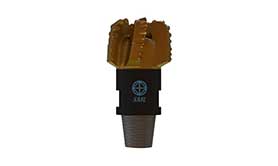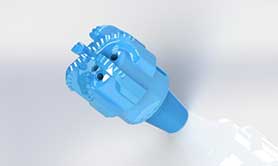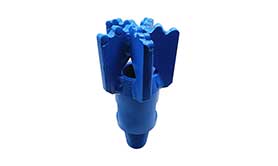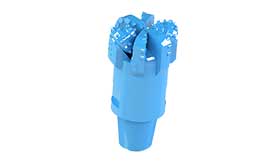
Email

TCI vs Mill Tooth Tricone Drill Bits: Which Type Should You Choose for Your Drilling Project?

Choose a mill tooth tricone bit for soft, relatively non-abrasive formations when fast penetration is the priority. Choose a TCI tricone drill bit for medium-hard, hard, or abrasive formations where tooth wear, impact resistance, and longer bit life are more important.


The best choice is not simply the bit with the lowest purchase cost. Formation compressive strength, abrasiveness, drilling depth, WOB, RPM, bearing design, circulation system, and expected footage all influence the real cost per meter drilled.


TCI vs Mill Tooth Tricone Bits: Key Differences

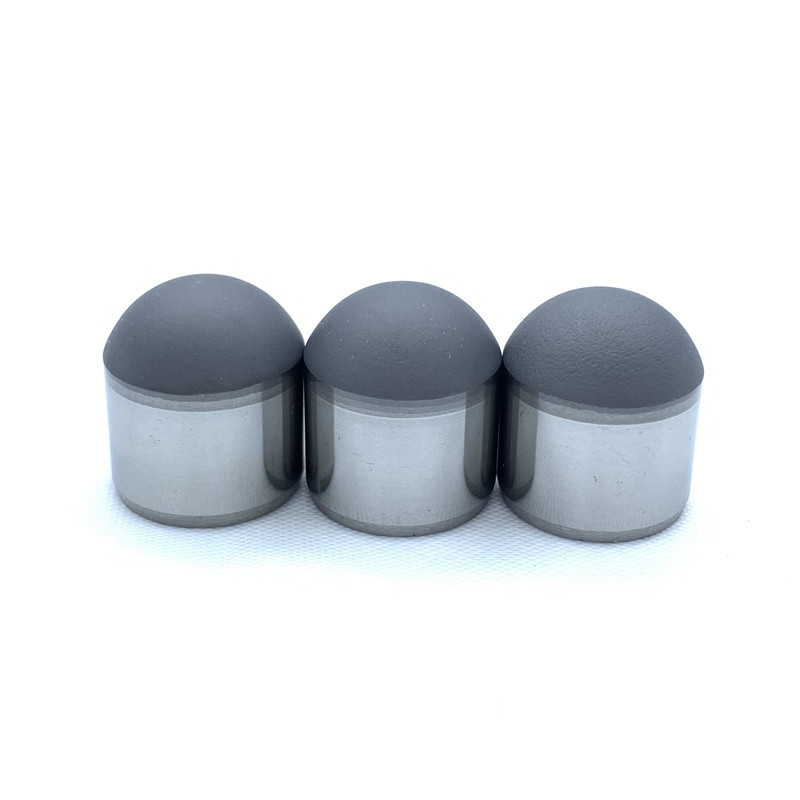
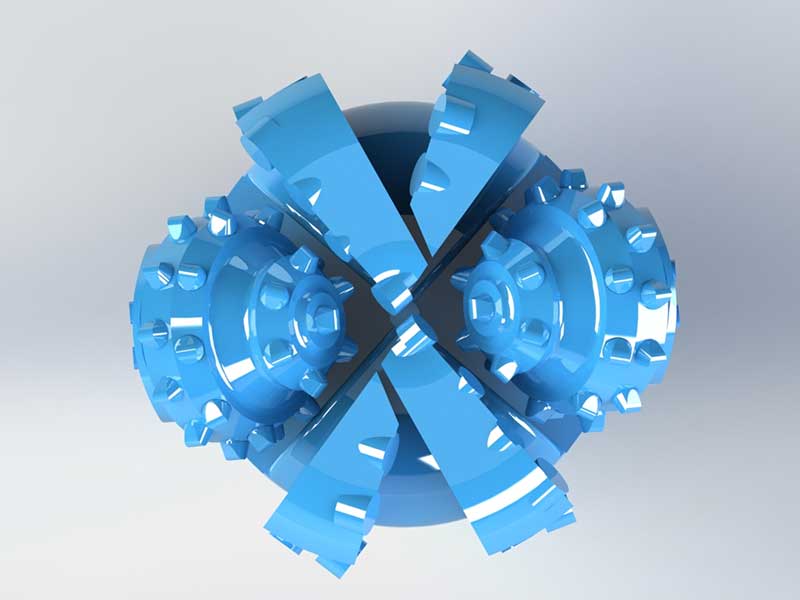
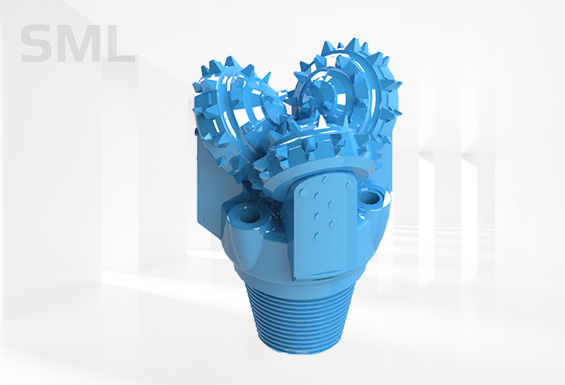
Both designs use three rotating cones to crush, gouge, and shear rock, but their cutting structures are different. Roller-cone bits generally use either milled steel teeth or tungsten carbide inserts pressed into the cones.


FactorMill Tooth Tricone BitTCI Tricone Drill Bit
Cutting structureTeeth machined from steel conesTungsten carbide inserts
Best formation rangeSoft to medium-softMedium-soft to hard/abrasive
Cutting actionAggressive gouging and scrapingCrushing, chipping and shearing
Wear resistanceModerateHigh
Typical ROP advantageSoft formationsHarder formations
Initial costUsually lowerUsually higher
Bit-life potentialBest in low-abrasion rockBetter in abrasive formations


Mill tooth bits use relatively long, sharp teeth to penetrate low-compressive-strength formations aggressively. TCI bits can use different carbide insert shapes and exposure according to formation conditions. In general, softer formations permit longer, sharper cutting elements, while harder formations require shorter, stronger, more closely spaced cutting structures.


Which Tricone Bit Works Better in Soft, Medium and Hard Formations?

Which tricone bit is best for soft formations?

For clay, soft shale, soft limestone, and other low-abrasion formations, mill tooth designs are frequently the most economical choice.


Their longer steel teeth can penetrate deeply and remove relatively large rock volumes per revolution. This makes them attractive when high ROP matters more than maximum wear resistance. SML's steel-tooth design, for example, uses milled wedge teeth with wear-resistant material intended to maintain cutting life while retaining drilling speed.


However, soft formation does not automatically mean mill tooth. A TCI design such as IADC 437 can also be engineered for very soft formations; SML specifies its IADC 437 roller cone for low-compressive-strength formations including shale, clay, sandstone, and conglomerate.


Is TCI better for hard rock?

Usually, yes.


Tungsten carbide is considerably more wear-resistant than conventional steel cutting teeth, which is why TCI technology became important for hard-rock roller-cone drilling.


A TCI tricone drill bit is normally preferred when drilling:

  • Hard limestone and dolomite

  • Abrasive sandstone

  • Consolidated formations

  • Hard interbedded sections

  • Formations where rapid steel-tooth wear would cause frequent trips


For medium formations, the choice becomes more application-specific. A relatively non-abrasive medium formation may still favor mill tooth for ROP, while an abrasive medium formation can justify TCI because longer cutter life lowers total drilling cost.


How Bearing, Tooth Design and IADC Code Affect Bit Selection

What does the IADC code on a tricone bit mean?

The IADC classification helps drilling teams identify cutting-structure type, formation suitability, and design characteristics rather than selecting a roller-cone bit by diameter alone. Industry references generally place steel/milled-tooth roller-cone bits in series 1–3 and TCI designs in series 4–8.


This matters when evaluating a tricone drill bit for sale. Two 8½-inch bits may look similar and fit the same drill string but perform very differently if their IADC classifications are designed for different formations.


Before ordering, confirm:

  • Bit diameter

  • IADC code

  • API/thread connection

  • Formation hardness and abrasiveness

  • Recommended WOB and RPM

  • Circulation medium

  • Bearing and seal configuration


Does bearing type matter when choosing a tricone bit?

Yes. Bearing life can become the limiting factor even when the cutting structure remains usable.


Roller-cone technology includes roller bearings, sealed bearing systems, and journal-bearing configurations. Modern designs may also use different elastomer or metal-face sealing systems depending on operating severity and temperature.


For relatively shallow, economical drilling, a simpler bearing package may be sufficient. For deep wells, long runs, geothermal applications, or expensive tripping conditions, improved sealing and bearing durability can justify a higher initial investment.


Hydraulics also matter. Proper nozzle placement helps clean cutters, cool the bit, and transport cuttings away from the bottom of the hole, directly affecting penetration efficiency and bit condition.


What Factors Affect Tricone Drill Bit Price?

A tricone bit price cannot be evaluated accurately from diameter alone.


When customers compare tricone bits for sale, the following specifications can significantly affect quotation:

  • Cutting structure: TCI bits normally require more expensive carbide materials and manufacturing processes than basic mill tooth designs.

  • Bit diameter: Larger bits require more steel, larger cones, bearings, inserts, and manufacturing capacity.

  • IADC classification: Different formation classes use different tooth or insert configurations.

  • Bearing and sealing system: Premium sealed journal-bearing or advanced sealing packages normally cost more than simple bearing structures.

  • Wear protection: Carbide hardfacing, shirttail protection, gauge inserts, and other wear-resistant features add manufacturing cost but can increase working life. Baker Hughes, for example, differentiates tricone product tiers according to bearing systems, hardfacing, cutting structures, and application-specific customization.

  • Customization: Special insert shapes, hydraulics, connections, gauge protection, and application-specific designs also affect the final tricone drill bit price.


For this reason, purchasing on unit price alone can be misleading. A more useful calculation is:

Drilling cost per meter = bit cost + rig operating cost + trip/change cost ÷ total footage drilled


A higher-priced TCI bit can therefore be more economical than a cheaper mill tooth bit if it prevents premature tooth wear or an additional trip.


FAQs About TCI and Mill Tooth Tricone Bits

What are the two main types of tricone drill bits?

The two primary cutting structures are milled/steel tooth and tungsten carbide insert (TCI). Mill tooth designs machine the teeth into the cones, while TCI bits use separately manufactured carbide inserts installed in the cones.


Which lasts longer, TCI or mill tooth?

In abrasive and hard formations, TCI generally provides longer cutting-structure life because tungsten carbide offers greater wear resistance. In soft, non-abrasive formations, however, a mill tooth bit may deliver better drilling economics through higher penetration rates and a lower initial cost.


Can I use a TCI bit in soft rock?

Yes. TCI does not mean "hard-rock only." Insert geometry can be optimized for soft formations; long, aggressive inserts are available for low-compressive-strength rock, while shorter and stronger inserts are used as formation hardness increases.


How do I choose the correct IADC tricone bit?

Provide the supplier with formation lithology, compressive strength if available, abrasiveness, hole diameter, drilling depth, WOB, RPM, circulation method, rig specifications, and previous bit performance. The supplier can then match the appropriate cutting structure, bearing system, and IADC classification.


What information should I provide when requesting a tricone bit quotation?

Instead of asking only for a tricone drill bit price, specify:

  • Required bit size

  • IADC code, if known

  • TCI or mill tooth preference

  • Formation description

  • Connection size

  • Drilling depth

  • Air, water, or mud circulation

  • Required quantity

This produces a much more meaningful technical and commercial comparison.


SML TOOLS supplies TCI and steel-tooth tricone bits for sale across a broad range of IADC classifications, with listed tricone sizes from 3 7/8" to 26". If you are looking for a tricone drill bit for sale, providing formation and drilling parameters with your inquiry allows the bit configuration to be matched to your project rather than selecting on price alone.

We use cookies to offer you a better browsing experience, analyze site traffic and personalize content. Part of the tracking is necessary to ensure SEO effectiveness,
By using this site, you agree to our use of cookies. Visit our cookie policy to learn more.
Reject Accept