Email

How to Choose the Right PDC Drill Bits (2026): Types, Uses, Price Guide for Maximum Drilling Efficiency

PDC drill bits are essential tools in modern drilling operations, and choosing the right one can significantly impact drilling efficiency, cost, and overall performance. Using the wrong bit often leads to slow penetration, frequent replacements, and higher operational expenses.


In this guide, KING SML explains how to choose the right PDC drill bits, covering drill bit types, drill bit uses, and PDC drill bit price, so you can make a cost-effective decision.


How to Choose the Right PDC Drill Bits (Quick Answer)

To choose the right PDC drill bits, evaluate formation hardness, abrasiveness, drilling goals, and budget. Steel body bits are suitable for soft formations, while matrix body bits perform better in hard or abrasive conditions. For complex formations, hybrid bits are recommended. Instead of focusing only on drill bit price, professionals evaluate cost per meter drilled.


What Are PDC Drill Bits?

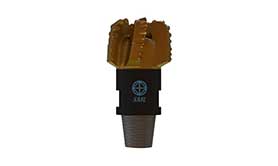
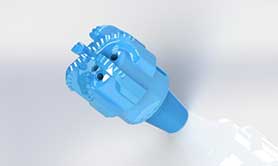
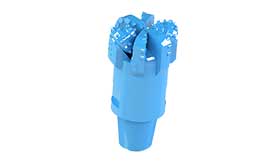
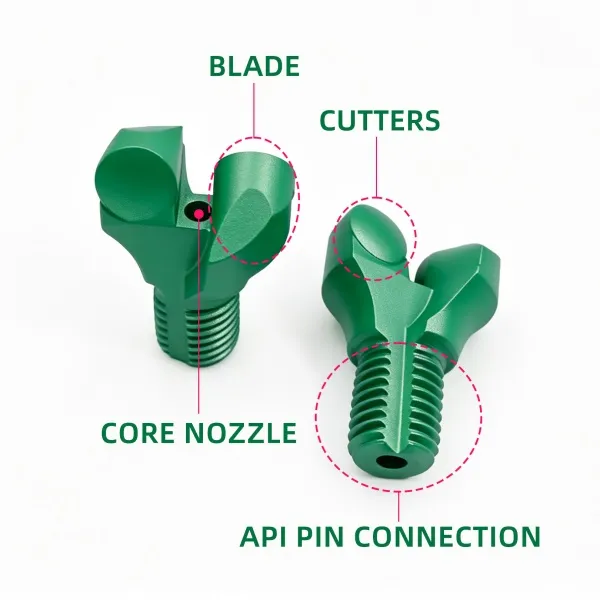
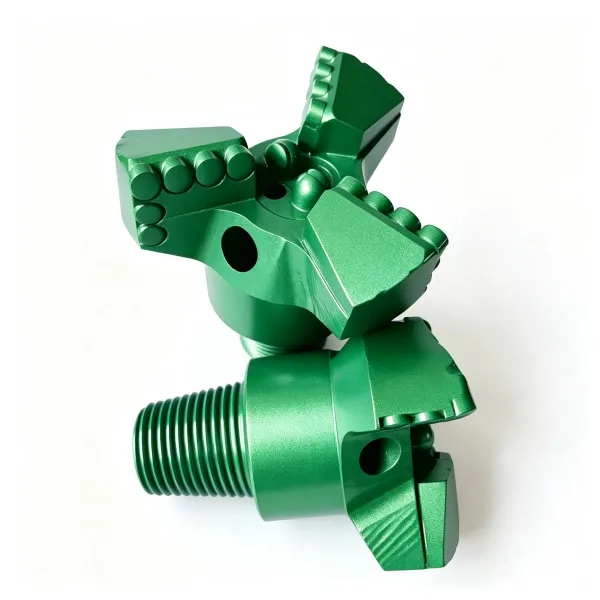
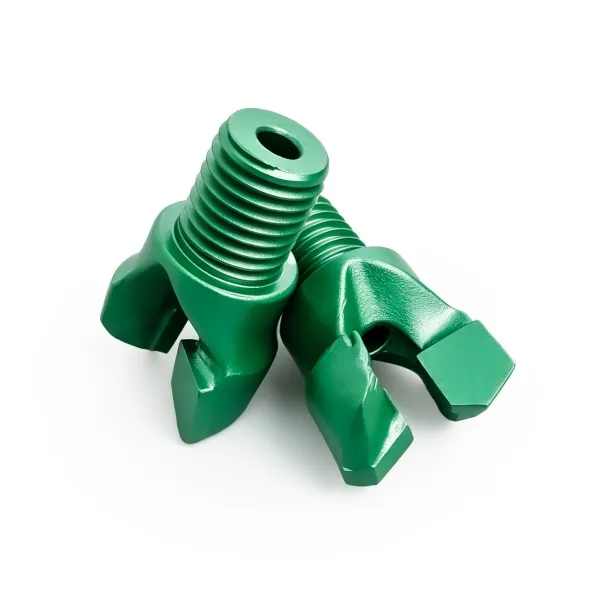
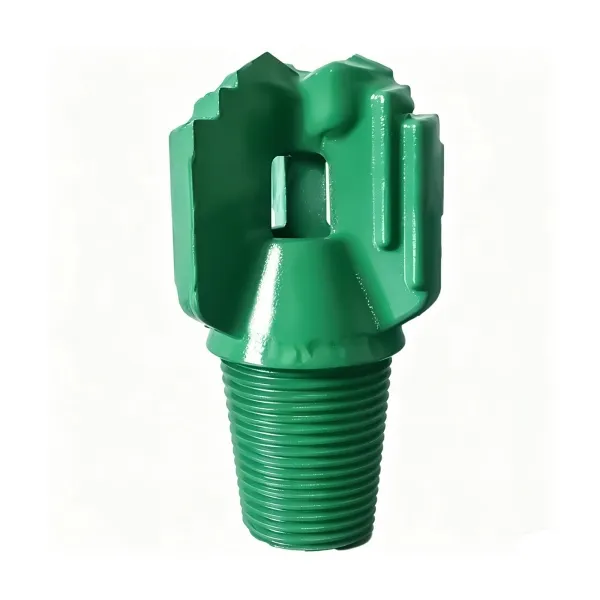
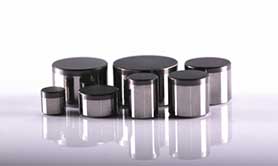
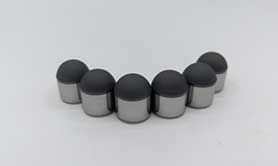
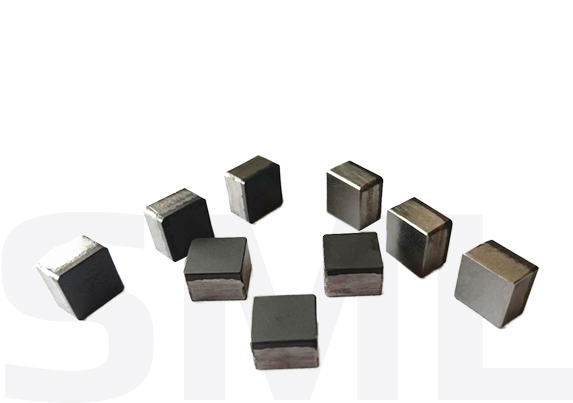
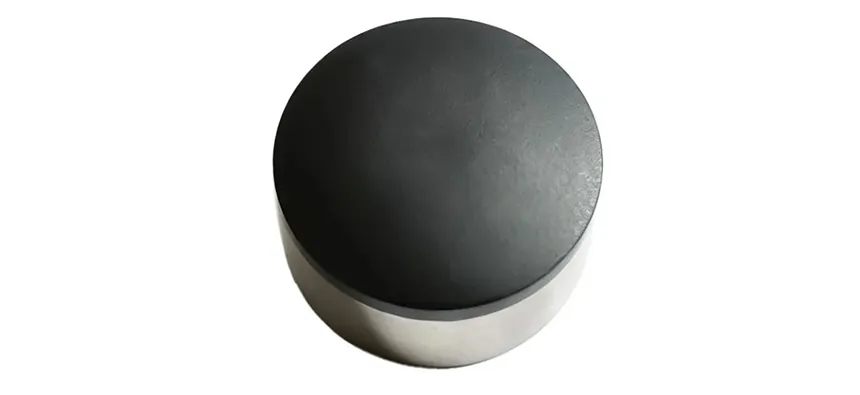
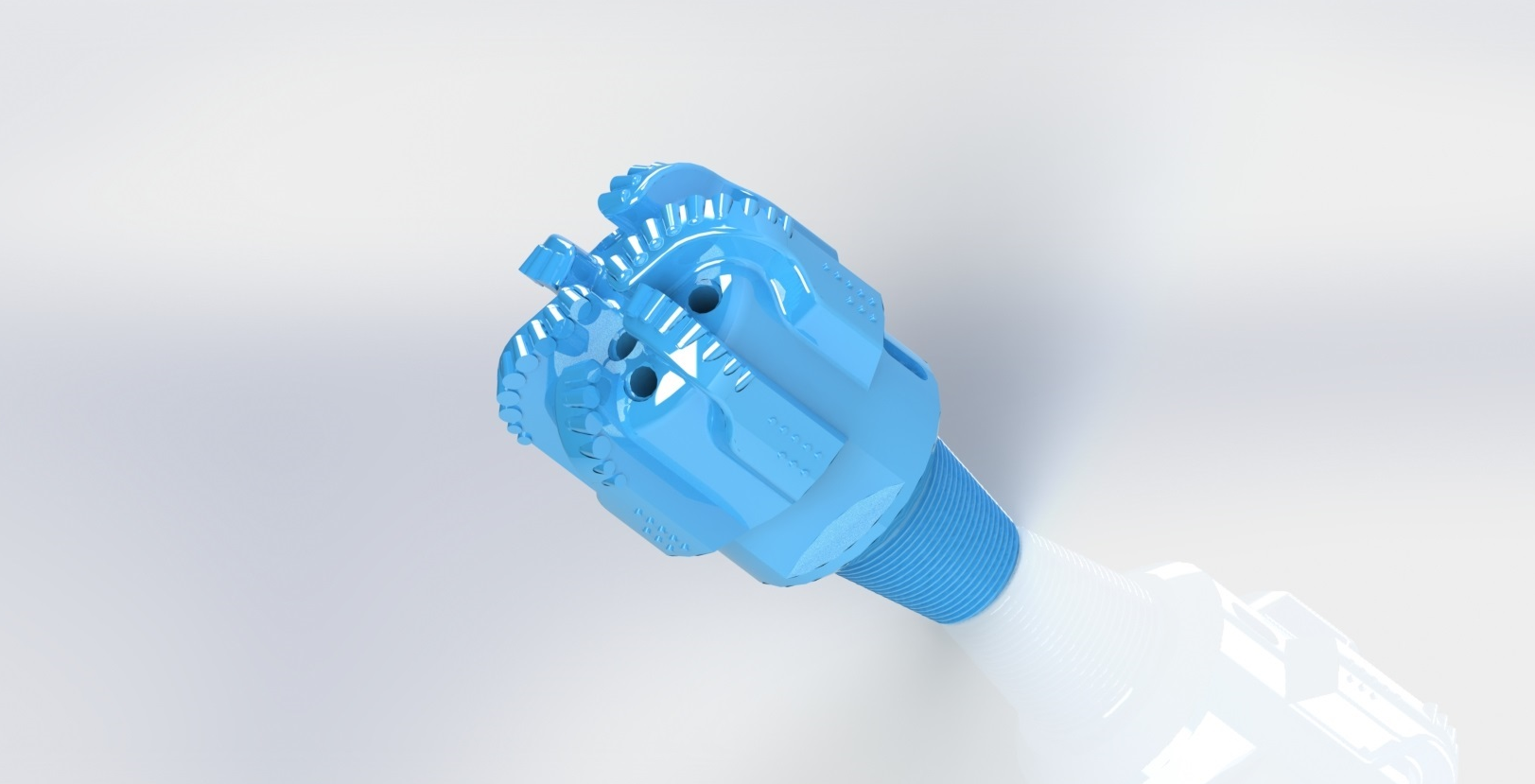
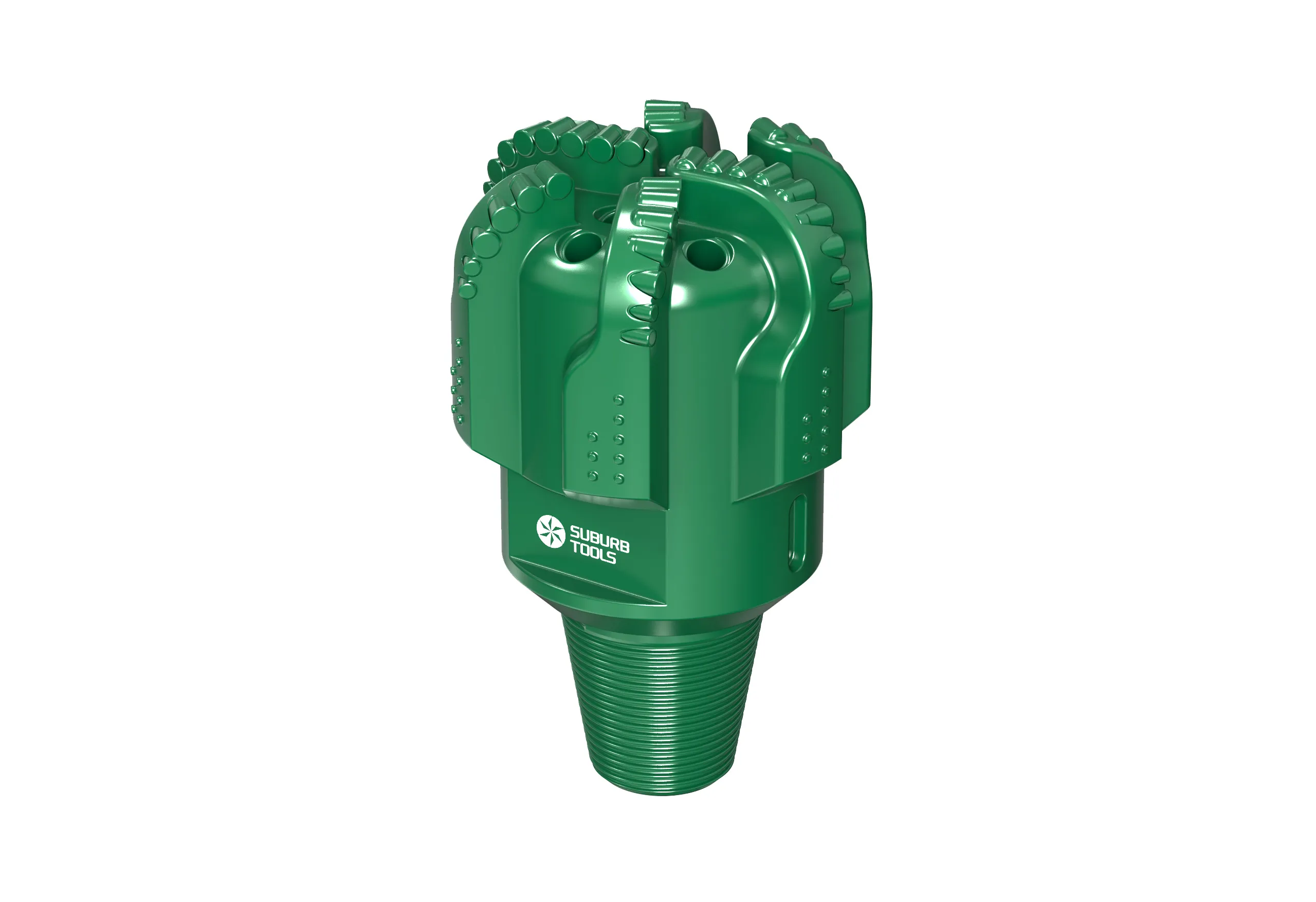
PDC drill bits (Polycrystalline Diamond Compact bits) are fixed-cutter tools that use synthetic diamond cutters to shear rock formations. Compared to roller cone bits, PDC drill bits typically deliver higher drilling speed and longer service life when used in suitable formations. They are widely used in oil and gas drilling, mining, water well drilling, and geotechnical applications. If you are wondering what PDC drill bits are used for, they are best suited for soft to medium-hard formations such as shale, sandstone, and limestone. High-quality PDC drill bits can significantly improve rate of penetration (ROP) and overall drilling efficiency, helping reduce drilling time and operational costs.


Drill Bit Types and Key Differences

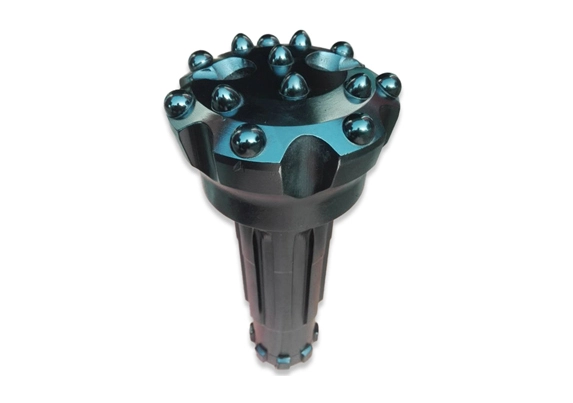
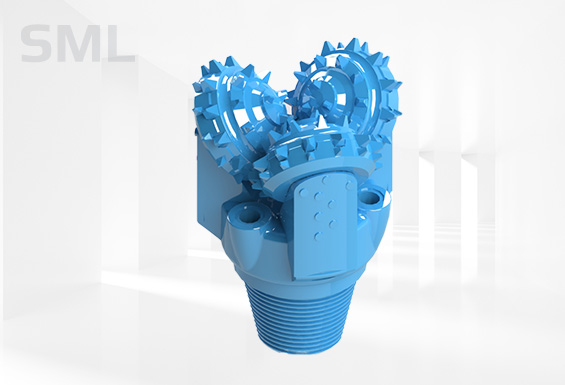
Understanding drill bit types is essential before making a selection. PDC drill bits are ideal for soft to medium formations and offer high efficiency and durability. Roller cone bits are better suited for extremely hard or fractured rock due to their crushing mechanism. Hybrid drill bits combine both cutting and rolling elements, making them effective in complex formations. PDC Drill Bits vs Roller Cone Bits PDC drill bits shear rock using diamond cutters, resulting in faster drilling speed and better efficiency. In contrast, roller cone bits crush rock, making them more suitable for very hard formations. In most modern drilling operations, PDC drill bits provide better overall performance, especially when drilling efficiency is a priority.


Types of PDC Drill Bits

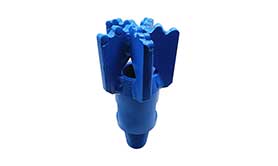
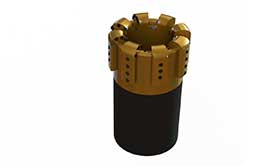
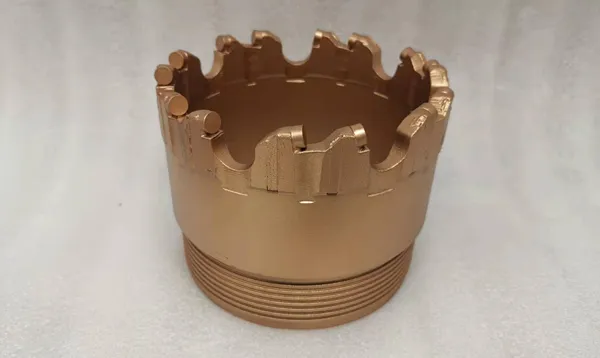
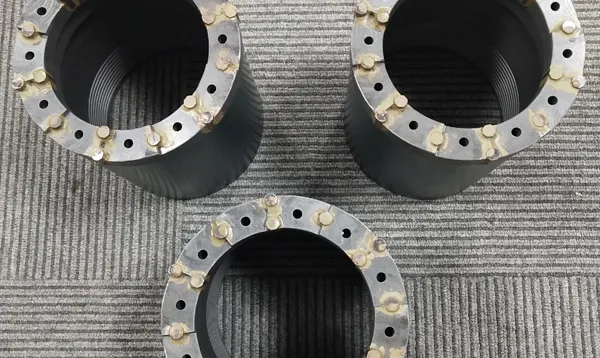
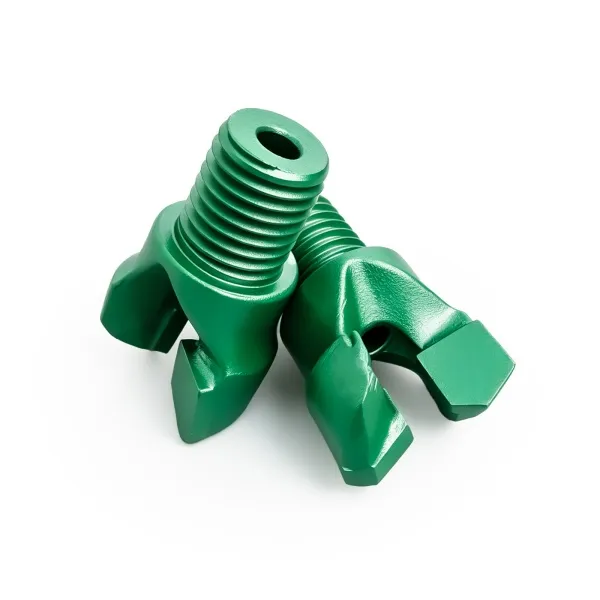
Choosing the correct type of PDC drill bits depends on formation and application. Matrix body PDC bits offer excellent wear resistance and are suitable for abrasive and hard formations, but they usually have a higher PDC drill bit price. Steel body PDC bits are more cost-effective, provide better impact resistance, and are easier to repair, making them ideal for softer formations. Hybrid PDC bits are designed for formations with varying hardness. At KING SML, customized PDC drill bits are designed based on formation data and drilling conditions, helping improve efficiency and reduce total cost.


Drill Bit Uses: Matching the Right Bit to the Job

Understanding drill bit uses helps ensure optimal performance. Steel body PDC drill bits are commonly used in soft formations such as clay and shale. Standard PDC bits perform well in medium formations like sandstone. Matrix body PDC bits are preferred for hard or abrasive formations due to their durability. Hybrid bits are suitable for mixed or unpredictable conditions. Choosing the wrong bit type is one of the main reasons for reduced efficiency and increased drilling costs.


PDC Drill Bit Price Guide

Understanding drill bit price, especially PDC drill bit price, is important for budgeting.


PDC drill bit price varies depending on size, cutter quality, and design complexity. Small bits may cost between 60 and 350 USD, medium sizes range from 350 to 3,000 USD, and large oilfield bits can exceed 20,000 USD.


Many buyers compare PDC drill bit price per size to make decisions. However, focusing on cost per meter drilled provides a more accurate measure of value.


In many projects, selecting the right PDC drill bit can improve drilling efficiency by 20% to 50%, depending on formation conditions.


How Professionals Choose PDC Drill Bits

In real drilling operations, engineers rely on formation data, field experience, and past performance rather than price alone. For example, in abrasive formations, using a low-cost steel body bit often leads to rapid wear and higher long-term costs. A matrix body PDC bit, although more expensive initially, can reduce bit replacement frequency and improve efficiency.


FAQ

Are PDC drill bits better than roller cone bits?

PDC drill bits are generally better for soft to medium-hard formations due to higher speed and longer lifespan, while roller cone bits may perform better in extremely hard formations.


What factors affect PDC drill bit price the most?
Key factors include bit size, cutter quality, bit body type, and design complexity.


How much does a PDC drill bit cost for oil drilling?
For oil drilling, PDC drill bit price typically ranges from 3,000 to over 20,000 USD.


Conclusion

Choosing the right PDC drill bits requires understanding drill bit types, drill bit uses, and drill bit price factors. By focusing on formation compatibility and overall drilling efficiency, you can significantly reduce operational costs and improve performance.


Get Expert Support from KING SML

Contact KING SML to get a customized PDC drill bit recommendation based on your drilling conditions and project requirements.

We use cookies to offer you a better browsing experience, analyze site traffic and personalize content. Part of the tracking is necessary to ensure SEO effectiveness,
By using this site, you agree to our use of cookies. Visit our cookie policy to learn more.
Reject Accept