Email

PDC vs. Tricone vs. DTH: Differences, Applications, and How to Choose

Choosing the right drill bit is essential for improving drilling efficiency, reducing costs, and ensuring project success. In modern drill bit oil and gas operations, three main drill bit types dominate the market: PDC drill bits, tricone drill bits, and DTH bit systems.These three drill bit types are widely used across global drill bit oil and gas operations.


Quick Answer: PDC vs. Tricone vs. DTH

PDC, tricone, and DTH are the three most common drill bit types used in oil and gas, mining, and water well drilling.

- PDC drill bits are best for fast drilling in soft to medium formations due to high penetration rates.

- Tricone drill bits are ideal for mixed and complex formations because of their versatility.
- DTH bit systems perform best in hard rock drilling thanks to their powerful impact mechanism. PDC is best for speed, tricone for adaptability, and DTH for hard rock performance.


What Are the Main Drill Bit Types?

Drill bits are classified based on how they break rock:

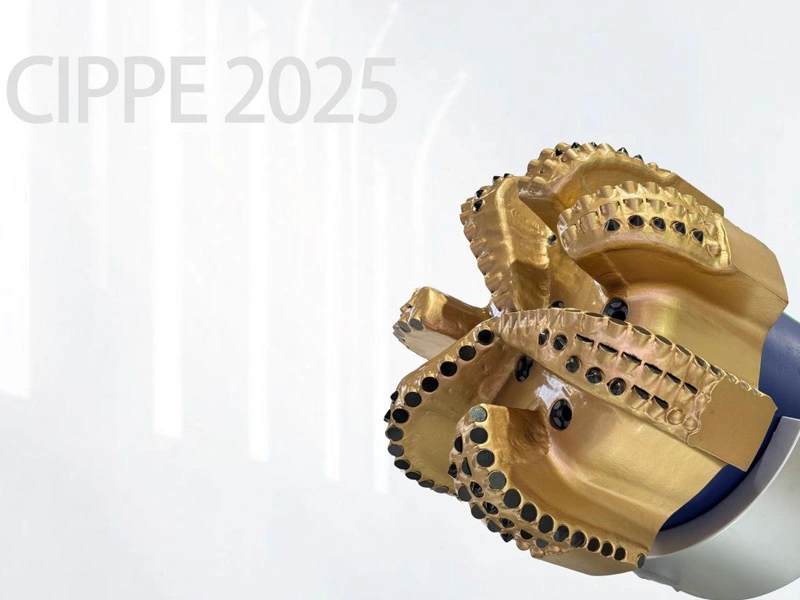
- PDC drill bits use a shearing action to cut through formations.

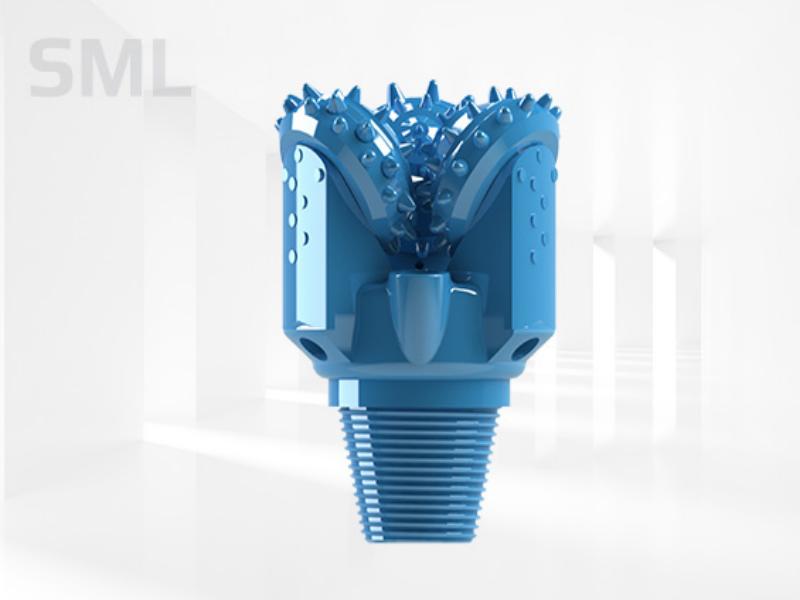
- Tricone drill bits crush and grind rock using rotating cones.

- DTH bit systems use high-frequency impact to break hard rock.

These differences directly affect drilling speed, durability, and overall cost, making these drill bit types widely used in oil and gas drilling, mining, geothermal drilling, and water well projects.


PDC Drill Bits: Speed and Efficiency

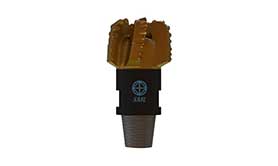
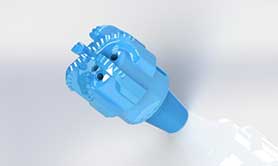
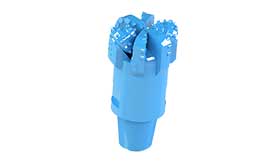
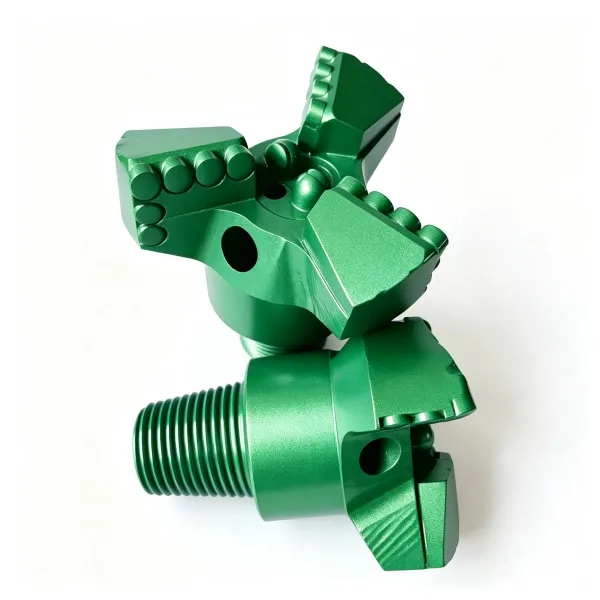
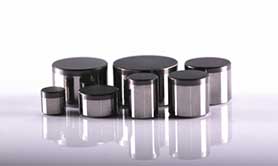
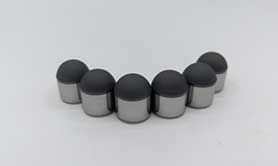
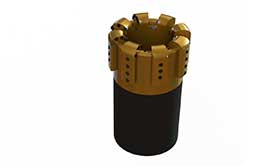
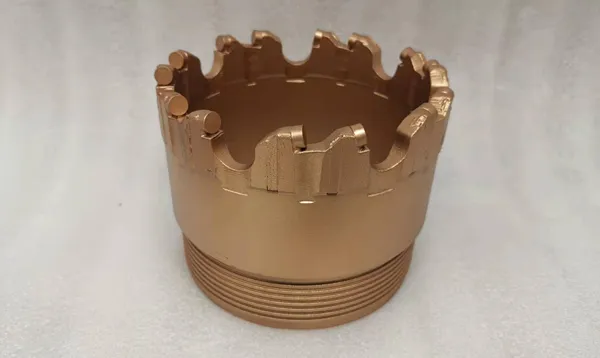
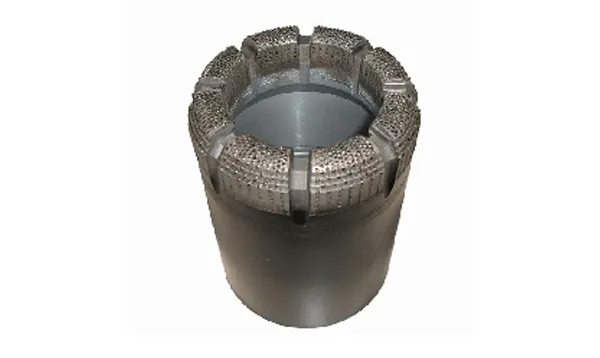
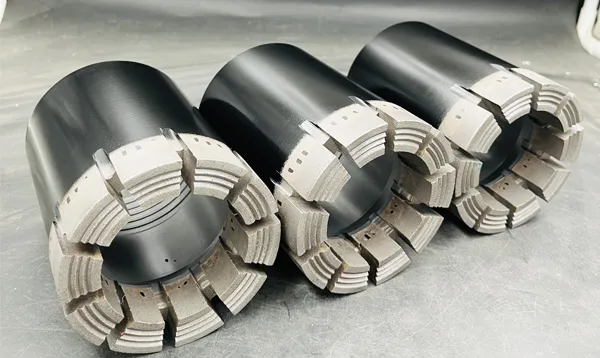
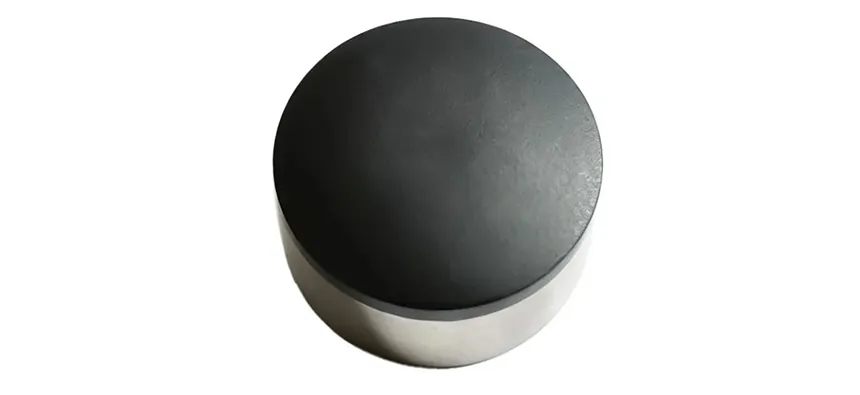
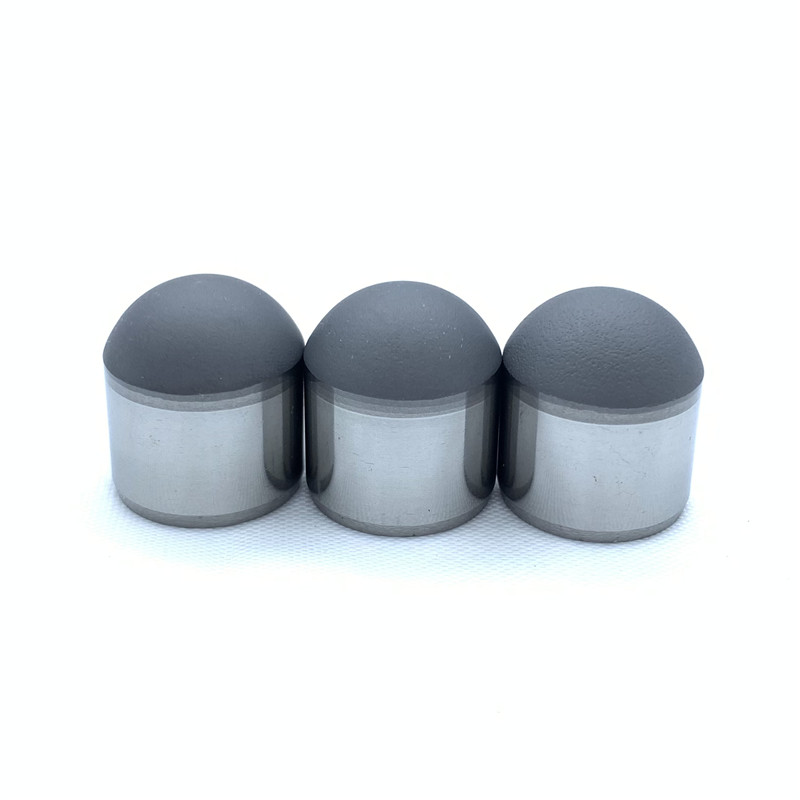
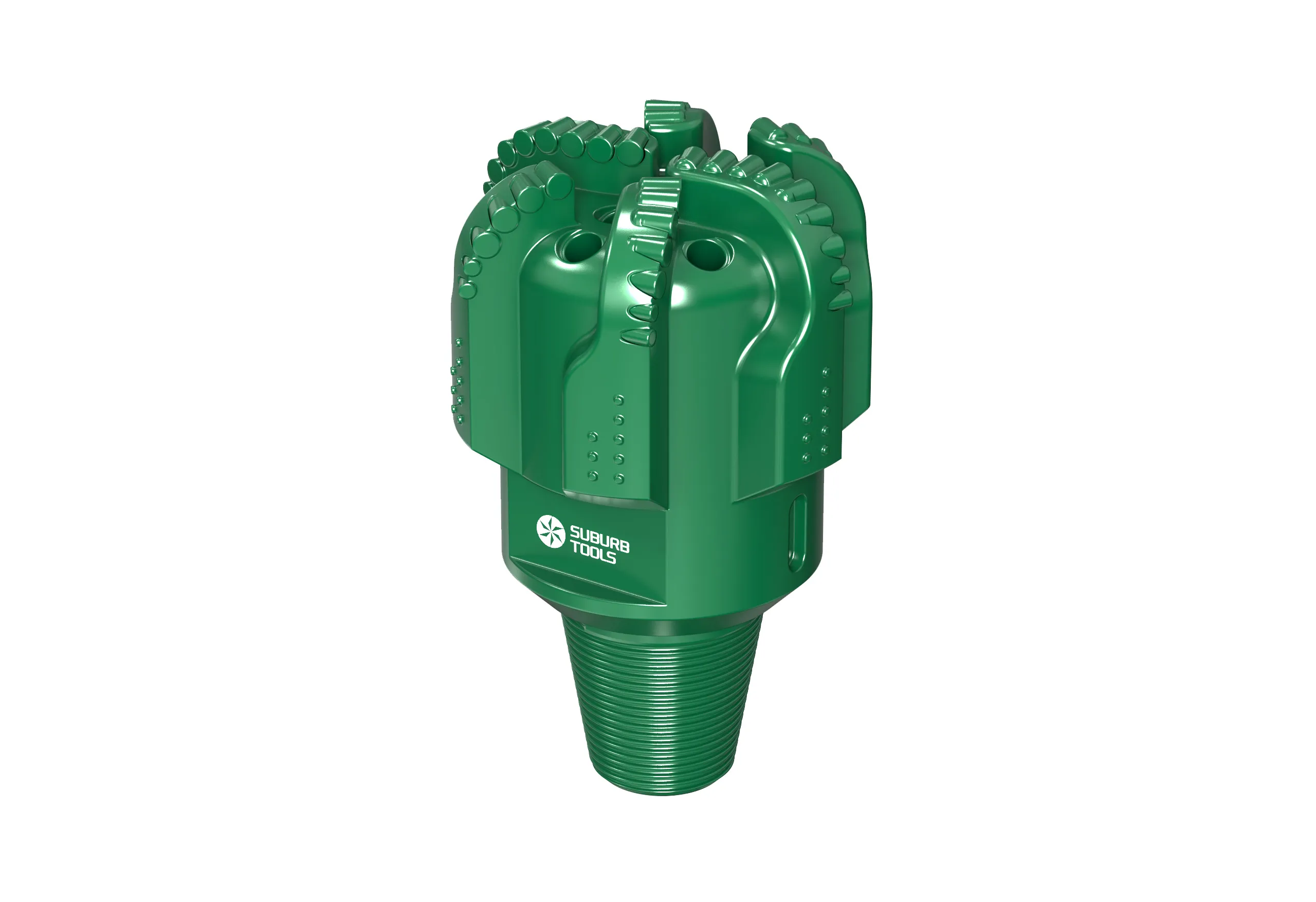
PDC (Polycrystalline Diamond Compact) drill bits use fixed synthetic diamond cutters to continuously shear rock. Because they have no moving parts, they offer stable performance and reduced mechanical failure.


Advantages

- High rate of penetration in suitable formations

- Long service life in stable conditions
- Low maintenance due to fixed structure
-Excellent cost efficiency over time 

Limitations

- Less effective in fractured or very hard formations

- Sensitive to vibration and impact 


Best Applications

- Shale, sandstone, and limestone formations

- Oil and gas drilling
- Geothermal wells

In stable formations, PDC drill bits typically deliver the fastest drilling performance among all drill bit types, which is why they are often selected in real drilling projects where formation stability and lithology are well understood.


Tricone Drill Bits: Versatility and Reliability

Tricone drill bits consist of three rotating cones equipped with steel teeth or tungsten carbide inserts. These cones crush and grind rock, making them highly adaptable to changing formations.


Advantages

- Suitable for a wide range of formations from soft to hard

- Performs well in fractured and abrasive conditions

- Reliable in complex geological environments 


Limitations

- Slower drilling speed compared to PDC in soft formations

- Moving parts increase wear and maintenance requirements


Best Applications

- Mixed and unpredictable formations

- Water well drilling

- Mining and general drilling operations


Tricone drill bits remain a dependable choice when drilling conditions are uncertain or frequently changing.


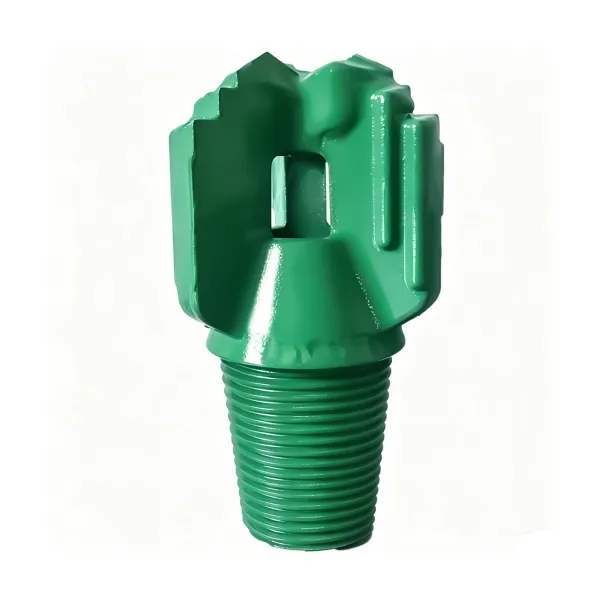
DTH Bit: Hard Rock Specialist

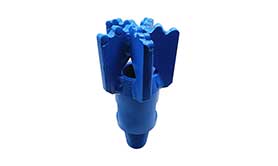
A DTH bit (Down-The-Hole) works with a pneumatic hammer that delivers high-frequency impacts directly to the rock surface. This method is highly effective in hard rock environments.


Advantages

- Excellent performance in hard and dense rock

- Straight and accurate hole drilling

- Consistent performance even at greater depths 


Limitations

- Requires additional equipment such as air compressors

- Higher initial setup cost

- Not suitable for soft formations 


Best Applications

- Hard rock drilling

- Mining and blasting operations

- Deep water well drilling 


DTH systems are particularly effective in maintaining drilling efficiency in deep and hard formations.


Key Differences Between PDC, Tricone, and DTH

The main difference between these drill bit types in drill bit oil and gas applications lies in their working mechanism and application:

- PDC drill bits focus on speed and efficiency in stable formations.

- Tricone drill bits provide flexibility and adaptability across various formations.

- DTH bit systems deliver powerful impact energy for hard rock drilling.


Each type is designed for specific geological conditions, and no single option is universally superior. Compared with tricone drill bits and DTH bit systems, PDC drill bits provide higher drilling speed but require more stable formations.


How to Choose the Right Drill Bit

Selecting the right drill bit depends on three key factors:

Formation Type

- For soft and uniform formations, PDC drill bits are the best choice.

- For mixed or complex formations, tricone drill bits offer better adaptability.

- For hard rock conditions, DTH bit systems provide superior performance. 


Drilling Objective

- If the goal is maximum speed, PDC drill bits are preferred.

- If stability and flexibility are required, tricone drill bits are more suitable.

- If drilling deep and straight holes in hard rock, DTH systems are the best option.


Budget and Cost Strategy

- PDC drill bits provide the lowest long-term cost due to high efficiency.

- Tricone drill bits have lower upfront costs but may require more maintenance.

- DTH systems involve higher initial investment but excel in extreme conditions.


In practical drilling operations, selecting the right drill bit type depends on matching formation conditions with drilling objectives and cost efficiency.


Why Bit Selection Matters

Choosing the wrong drill bit can significantly impact drilling performance. It may lead to slower penetration rates, increased wear, and higher operational costs. In professional drill bit oil and gas projects, it is common to use multiple drill bit types within the same operation to achieve optimal results under varying conditions.


Why Choose KING SML

KING SML provides high-performance drilling solutions designed for different geological conditions and industries. 


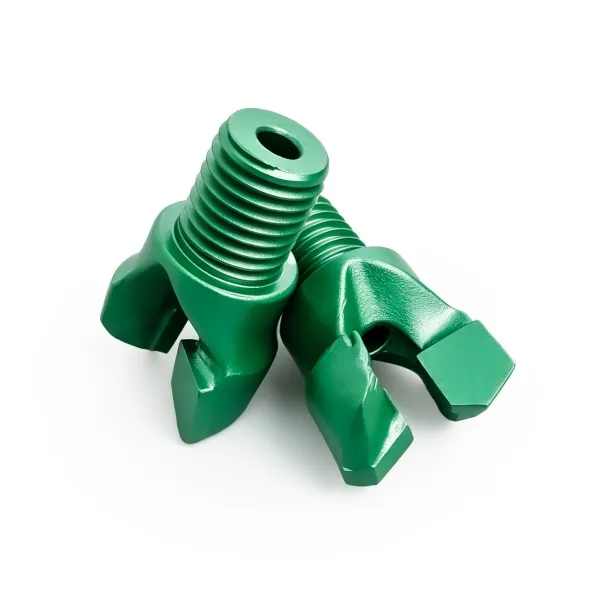
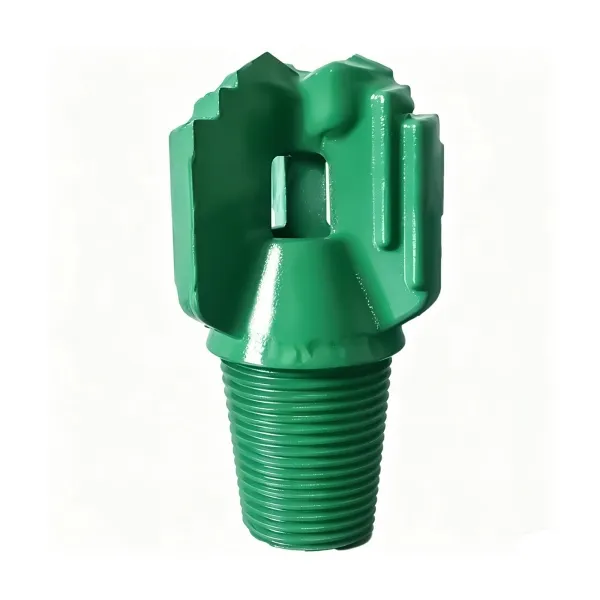
Our product range includes advanced PDC drill bits for high-efficiency drilling, durable tricone drill bits for complex formations, and reliable DTH bit systems for hard rock applications.


Key Advantages

- Advanced material technology for improved durability

- Strict quality control to ensure consistent performance
- Customized solutions based on formation conditions
- Proven results in global drilling projects


Conclusion

PDC, tricone, and DTH drill bits each serve distinct purposes in drilling operations.

- PDC drill bits are the best choice for speed and efficiency in stable formations.

- Tricone drill bits offer versatility and reliability in mixed conditions.

- DTH bit systems provide unmatched performance in hard rock drilling.


Selecting the right drill bit types is essential for optimizing drill bit oil and gas performance.


FAQ

Which drill bit is best for oil and gas drilling

PDC drill bits are the best choice for most drill bit oil and gas applications because they provide high drilling speed and long service life. 


When should I use tricone drill bits

Tricone drill bits are best used in mixed or unpredictable formations where flexibility and durability are required.


Is DTH better than PDC

DTH bit systems are better than PDC drill bits in hard rock drilling because they use direct impact energy to break dense formations  

We use cookies to offer you a better browsing experience, analyze site traffic and personalize content. Part of the tracking is necessary to ensure SEO effectiveness,
By using this site, you agree to our use of cookies. Visit our cookie policy to learn more.
Reject Accept